15 Best Men Fade Haircut – Men’s Hairstyle Swag
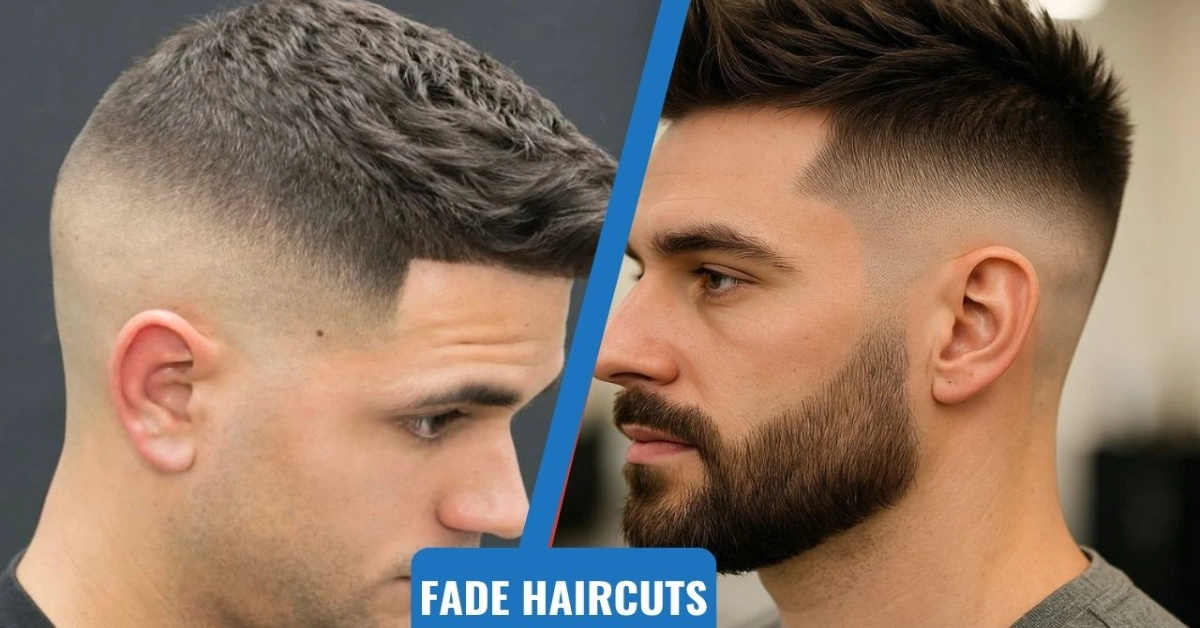
Quick answer: A fade is defined by where the hair transitions from long to short and how close that transition gets to bare skin — not by any specific top style. Below are the real fade heights explained first, followed by 12 top-style pairings that actually work with each. For the softer, more gradual cousin of the fade, see our taper fade guide.
The Fade Heights, Defined
Low Fade
Starts just above the ears and blends down toward the neckline. The most subtle option, keeping most of the head at a consistent length and working well with thinner hair since it keeps more coverage on the sides.
Mid Fade
Starts around the temple, roughly halfway up the side of the head. A balanced option that draws the eye upward, making it a strong pairing with voluminous top styles like a pompadour or afro.
High Fade
Starts high on the head, at or above the temple. The most dramatic contrast, and effective at reducing bulk on thick or curly hair by removing more length overall on the sides.
Skin (Bald) Fade
Any of the above heights taken all the way down to bare skin at some point in the blend, rather than stopping at a very short but visible length. The sharpest, highest-contrast version of a fade.
How Fades Pair With Natural Texture
A fade isn’t limited to straight or wavy hair — it works as a framing technique for nearly any texture or protective style, since it only affects the sides and back, leaving the top free for whatever’s happening there.
12 Top-Style Pairings
- Afro + fade: a fade removes weight and bulk from the sides while the top keeps its natural volume and shape — one of the most requested combinations for reducing an afro’s overall size without cutting the top.
- Geometric afro + fade: an afro shaped into angular, deliberate lines on top, paired with a clean fade for contrast between the structured top and the closely blended sides.
- Frohawk + fade: a narrower strip of afro-textured curls left on top (a softer, curlier take on the mohawk), with the sides faded rather than shaved for a less severe finish.
- Flat top + fade: a level, flat-cut top paired with short, faded sides — a classic silhouette that works particularly well on thick, coily hair.
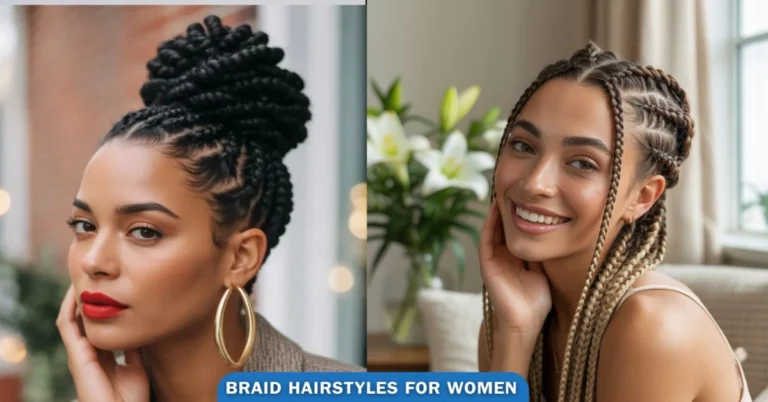
- Cornrows + fade: braided rows on top blending into a faded side, keeping the style low-maintenance at the sides while the cornrows protect the top.
- Cornrow waves + fade: cornrows arranged in a wave pattern rather than straight rows, paired with a fade for a more individualized, textured finish.
- Box braids + fade: individual braids on top with faded sides, combining a protective style with a sharp, defined edge at the hairline.
- Twists + fade: two-strand twists on top add texture with minimal daily effort, paired with a fade to keep the sides sharp between twist retightening sessions.
- Dreadlocks + undercut: established locs on top with the sides shaved or closely faded for structure and contrast — see our dreadlock styles guide for more on pairing locs with a fade or undercut.
- Pompadour + fade: longer, swept-up volume on top paired with a fade at the sides, most often a mid or high fade to draw the eye toward the height.
- Hard part + fade: a shaved line defining a side part, combined with a fade for a crisp, deliberate finish that reads as more polished than a plain fade alone.
- Ringlets + fade: tighter curl patterns left textured on top, faded at the sides for a softer, more youthful overall look.
Frequently Asked Questions
What’s the actual difference between a fade and a taper?
A fade blends closer to the skin with a sharper transition; a taper keeps a gentler, more gradual blend without necessarily reaching bare skin. See our taper fade guide for the full distinction.
Which fade height works best with an afro or curly top?
Mid and high fades tend to control volume on the sides most effectively while letting curl or coil texture stay the visual focus on top; low fades work fine too but keep more length overall.
Can a fade be combined with any protective style?
Yes — cornrows, box braids, twists, and locs all pair with a fade since the fade only affects the sides and back, leaving the top’s protective style untouched.
How often does a fade need a trim to stay sharp?
Every two to three weeks — the blend line grows out and softens faster than people expect, especially with high and skin fades where the contrast is most visible.
Editorial note: Fade terminology and pairing guidance reflect common barbershop practice as of 2026 and vary somewhat by barber and region. Bring a reference photo along with the fade height name for the clearest result.