12 Flattering Hairstyles for a Double Chin or Fuller Face
The most flattering hairstyles for a double chin or fuller face share a few things in common: face-framing layers that start around the cheekbones, length that falls at the chin or below, volume built up at the crown rather than the sides, and movement that draws the eye upward and outward instead of down toward the jaw. None of this requires a drastic change. It’s mostly about how a cut is layered and how it’s styled day to day.
This guide covers the specific haircuts and styling choices that work well for rounder or fuller face shapes, why they work from a styling perspective, and which common cuts tend to work against you instead. If you want a broader primer on matching any haircut to your face shape first, see our face-shape haircut guide, and if a round face shape specifically describes you, our roundup of hairstyles for round faces covers additional options.
Why Certain Haircuts Work Better Than Others
Hairstylists rely on a few visual principles when cutting for a fuller face or a double chin, and understanding them makes it much easier to describe what you want in a salon chair.
- Vertical lines elongate. Length that falls past the jawline, combined with layers, creates a longer visual line down the face rather than a horizontal one that emphasizes width.
- Volume placement matters more than volume amount. Height at the crown draws the eye upward. Heavy volume at the sides or jaw level, by contrast, tends to widen the appearance of the face and chin area.
- Face-framing layers redirect focus. Layers that begin near the cheekbones and move down create movement around the face, which pulls attention toward the hair itself rather than the chin.
- Texture beats blunt weight. A single heavy, blunt line (like a classic one-length bob cut right at the jaw) sits flat against the fullest part of the face. Soft, textured ends do the opposite.
Best Haircut Lengths to Ask For
Length is often the first decision, and it has an outsized effect on how flattering a cut feels day to day.
- Chin-length and longer: Anything that falls at or below the chin, rather than stopping right at the jawline, tends to elongate rather than frame the fullest part of the face.
- Long bob (lob) with layers: A layered lob that hits between the chin and shoulders is one of the most consistently recommended lengths, since it’s long enough to elongate but still easy to style with volume at the crown.
- Medium to long layers: Longer hair works well too, as long as it includes layering; one uniform length of long hair without movement can still look heavy.
12 Flattering Hairstyles to Consider
- Long layers with face-framing pieces. Layers cut starting around cheekbone height create continuous movement that softens the jaw.
- Curtain bangs. Parted in the center and swept to both sides, curtain bangs frame the face gently without adding width, and they pair well with almost any length.
- Layered lob (long bob). Hits between chin and collarbone, with layers throughout to avoid a blunt, heavy line at the jaw.
- Side-swept fringe. A longer, side-swept fringe draws the eye diagonally across the face rather than straight down to the chin.
- Long shag with layers. Choppy, textured layers throughout longer hair break up density and add movement without bulk at the jawline.
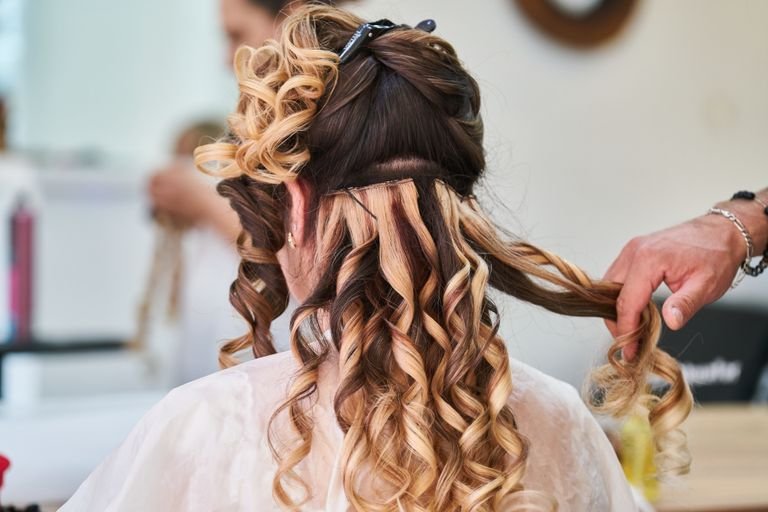
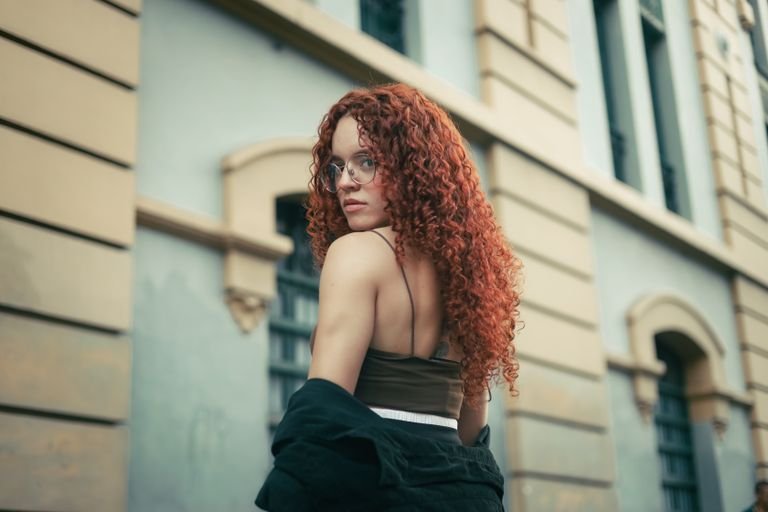
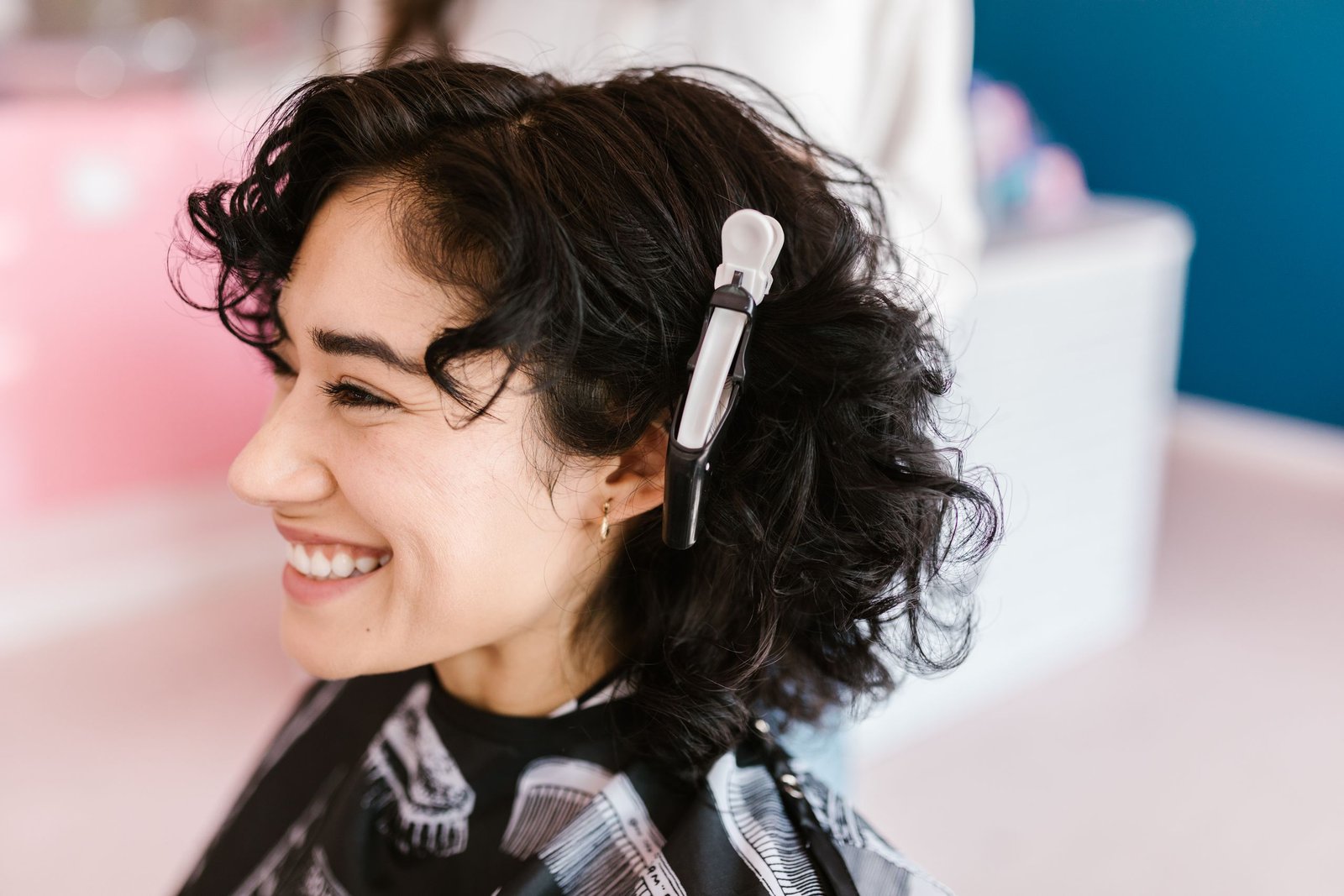
- Soft waves or curls. Loose waves add volume at the crown and through the mid-lengths while keeping the ends soft and textured rather than blunt.
- Deep side part with longer top layers. Even on shorter cuts, a deep side part combined with length left on top creates an asymmetrical line that elongates the face.
- Textured crop with a fringe. For those who prefer short hair, a textured crop with movement on top and a soft fringe avoids the width that very short, uniform cuts can add at the sides.
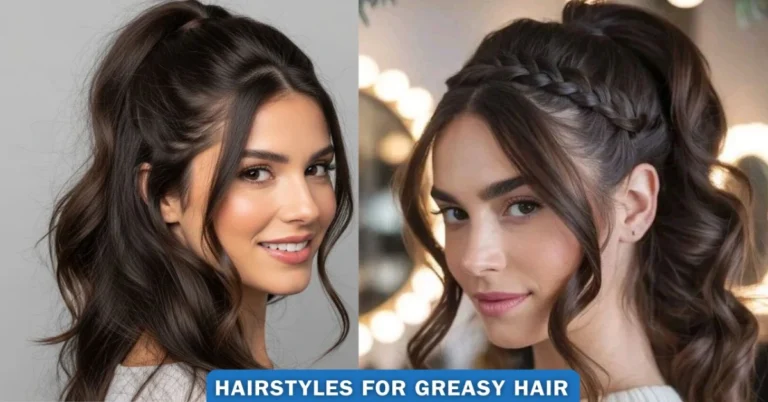
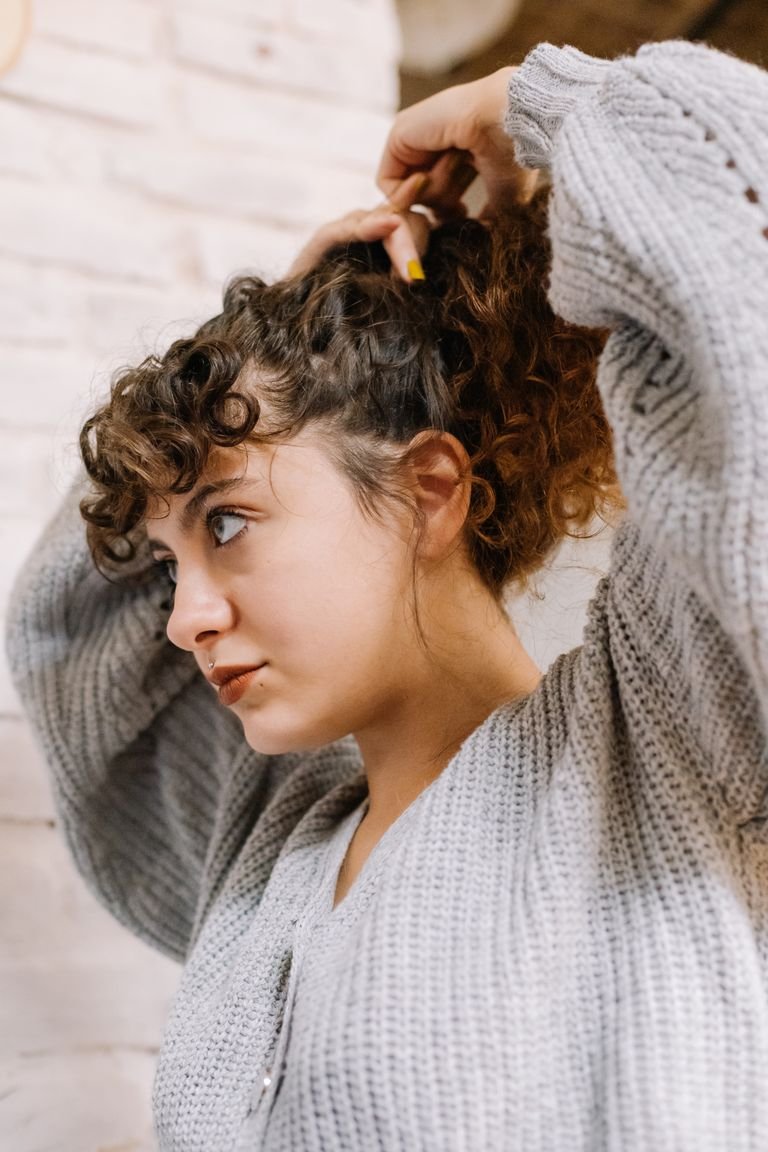
- Half-up style with crown volume. Gathering the top section loosely and back while leaving face-framing pieces down keeps height at the crown and softness near the jaw.
- Low, loose side ponytail. A ponytail worn low and to the side, with a few face-framing pieces pulled out, avoids the tightness of a high, slicked-back style.
- Face-framing balayage or highlights. Lighter pieces placed near the face (sometimes called a money piece) create a subtle contrast that draws the eye upward and outward, similar to the color-placement techniques used for short hair highlights.
- Long layered cut with a middle part. A centered part combined with long layers creates a symmetrical, elongating line that works on most fuller face shapes.

Haircuts and Styles to Approach Carefully
A few common styles tend to work against the same visual principles described above, though personal preference always plays a role:
- Blunt, one-length bobs cut at the jaw. This places a heavy horizontal line at the widest part of many faces.
- Very short, uniform pixie cuts with no length on top. Without asymmetry or height at the crown, these can add visual width at the jaw and cheek.
- Tight, slicked-back ponytails or buns. Pulling all the hair back and away from the face removes any softening effect around the jawline.
- Heavy, flat middle-length cuts with no layers. A single length with no texture or movement tends to sit heavily rather than elongate.
Styling Techniques Beyond the Cut
The haircut itself is the foundation, but daily styling choices affect the result just as much.
- Blow-dry with a round brush at the roots to lift the crown, which is one of the simplest ways to reinforce an elongating silhouette.
- Use a lightweight texturizing spray on mid-lengths and ends rather than flat-ironing hair completely straight, since texture adds the movement that a smooth, heavy finish removes.
- Angle face-framing pieces forward when styling rather than tucking everything behind the ears, which keeps the softening effect around the jaw intact.
Frequently Asked Questions
Do bangs help or hurt a fuller face?
The right bangs generally help. Side-swept or curtain bangs that have some length and movement draw the eye diagonally or frame the face softly. Very short, blunt, straight-across bangs are the style most likely to add unwanted width, since they create another horizontal line across the face.
Is short hair ever a good option for a double chin?
Yes, but the specific cut matters more than length alone. A textured crop with height on top, an asymmetrical pixie, or a short cut with a longer, side-swept fringe all work with the same elongating principles as longer styles. A very short, uniform cut with no texture or asymmetry is the version that tends to be less flattering.
Does hair color placement really make a visual difference?
Strategic highlights placed near the face, sometimes called a money piece or face-framing balayage, can create subtle contrast that draws attention upward and outward. It’s a smaller effect than a haircut change, but it’s a low-commitment way to soften the area around the jaw.
What’s the single most important change to ask a stylist for?
If only one change is possible, face-framing layers starting around the cheekbones tend to have the biggest visual impact. They work with almost any length and immediately add the movement that a blunt, one-length cut lacks.
Can updos work for a fuller face shape?
Yes, as long as some hair is left loose around the face. A fully slicked-back updo with nothing framing the jaw tends to be the least flattering version. A loose, slightly undone updo with face-framing pieces pulled out keeps the same softening effect as wearing hair down.