Braid Styles for Men: A Complete Guide to Every Type
Braids have moved well past a single look for men. What used to mean cornrows or nothing now covers box braids, twists, feed-in patterns, braided fades, and Viking-inspired designs, each suited to different hair lengths, textures, and levels of daily upkeep. This guide breaks down the real, distinct styles worth knowing, what each one needs from your hair to work, and how to keep braids looking sharp between salon visits.
How Much Hair Do You Need for Braids?
Length determines which styles are realistic before you sit in the chair.
| Hair length | What it allows |
|---|---|
| 3 to 4 inches | Small, close cornrows or short box braids, usually the tightest to the scalp |
| 5 to 8 inches | Standard box braids, two-strand twists, and most feed-in patterns |
| 8 inches or more | Jumbo box braids, longer twists, and braided styles that can be gathered into a bun or ponytail |
Curly and coily hair braids most easily since the texture naturally locks the braid pattern in place. Straight hair can still be braided, but it typically needs a texturizing product or a light gel to help each section hold.
Braid Styles for Men, Explained
Cornrows
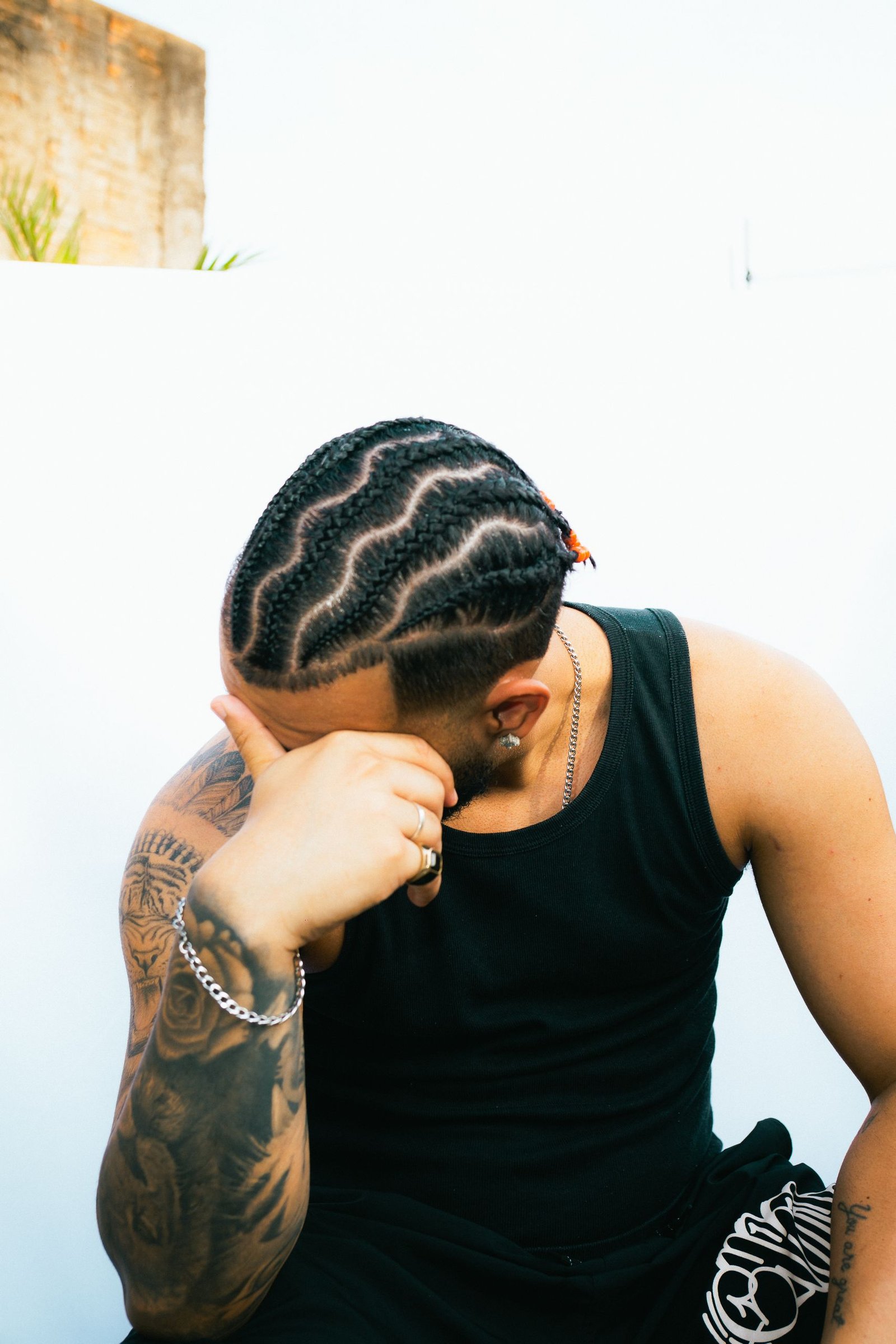
Cornrows are braided flat against the scalp in rows, following a pattern that can run straight back, curve, or form geometric shapes. They are one of the most versatile styles on this list because the pattern itself becomes the design. For a full breakdown of pattern options and how to choose one for your face shape, see our dedicated guide to cornrow hairstyles for men.
Box Braids
Box braids section the hair into square, individual parts and braid each one separately, usually with added hair for length and thickness. They hang free rather than lying flat, giving more movement than cornrows, and can be worn loose, tied back, or gathered into a bun. A dedicated box braids guide covers sizing, styling, and care in more depth.
Two-Strand Twists
Rather than braiding three strands together, two-strand twists wind two sections of hair around each other. They create a rope-like texture, install faster than box braids, and work especially well on natural curly or coily hair without added extensions.
Feed-In Braids
Feed-in braids start with your natural hair and gradually add extension hair as the braid progresses down the head, which keeps the base of the braid looking natural rather than bulky. This technique is often combined with cornrow patterns for a cleaner, less obviously extended look.
Braided Fade (Braids with an Undercut or Fade)
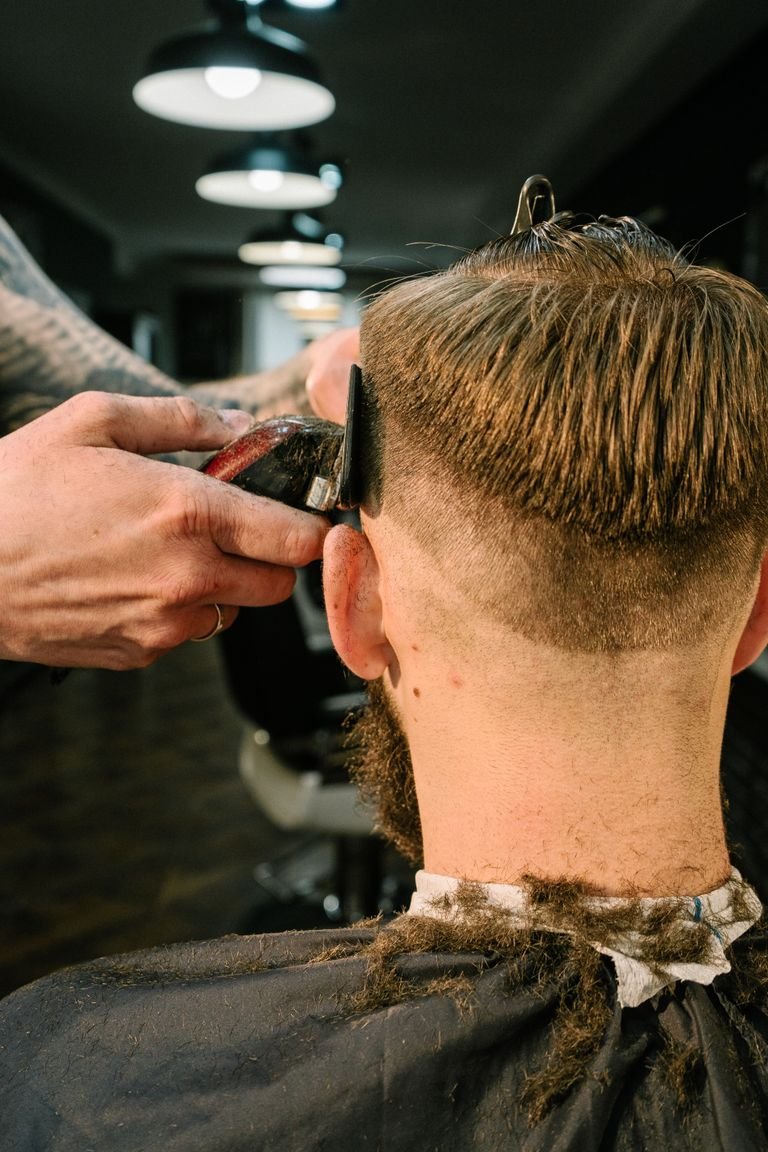
This pairs braids or cornrows on top with clipper-faded or shaved sides, creating strong contrast between the textured top and the clean, short perimeter. If you already have a fade and want to add braids on top, our guide to choosing hair clippers covers what to look for if you’re maintaining the faded sides yourself between salon visits.
Viking and Tribal-Inspired Braids
These styles use braids strategically placed along the sides or crown, often combined with shaved or undercut sections, drawing on historical Norse and tribal braiding patterns. They tend to be bolder and more statement-making than everyday cornrows or box braids.
Braided Man Bun
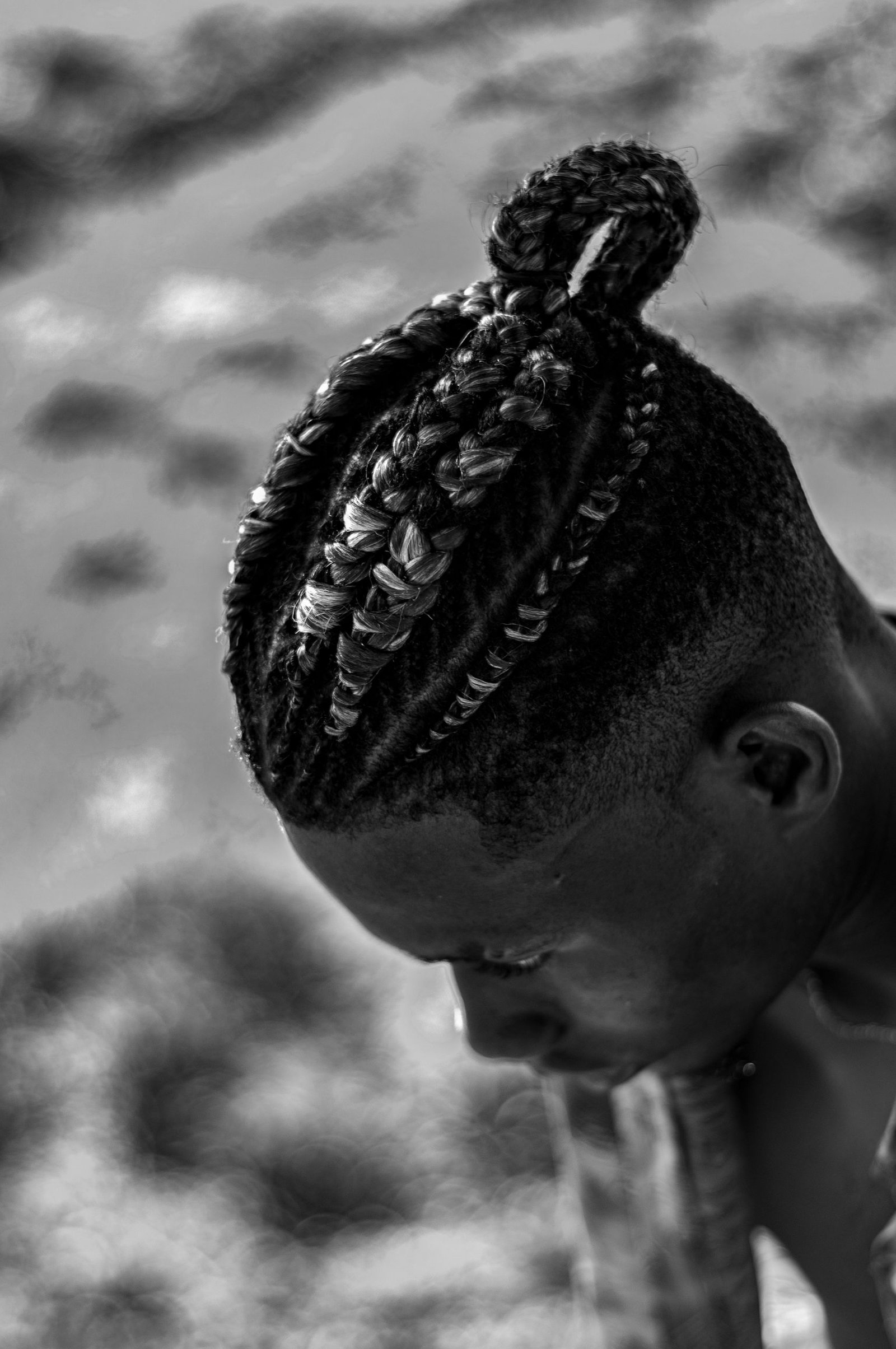
Once hair is long enough to gather, cornrows or box braids can be pulled back into a bun or top knot at the crown. This combines the low daily maintenance of braids with a neater, more polished finish for work or formal settings.
Short Hair Braids
Braiding is not limited to long hair. With careful sectioning, short hair can still be braided into small, close patterns, sometimes gathered into a small pigtail or worn flat against the scalp. For length-specific techniques and realistic expectations on shorter hair, see our guide to braids for short hair.
Braids vs. Dreadlocks (Locs): What Is the Difference?
Braids and locs are often confused but work differently. A braid is a woven, temporary style that can be taken down and combed out at any time. Locs (short for dreadlocks) are formed when hair is deliberately matted and left to permanently interlock over months, and once mature they cannot simply be brushed back to loose hair. Some men use braids or twists as a starting technique to begin the loc-forming process, but a braid on its own is never a loc unless it has been left to lock over an extended period.
How Long Do Braids Last, and How Much Maintenance Do They Need?
Most braided styles last four to eight weeks before the new growth at the root makes the pattern look uneven and the style needs to be redone. Box braids and feed-in styles with added extension hair tend to hold their shape the longest, since the extension hair does not grow the way natural roots do. Simple two-strand twists on natural hair usually need the most frequent refreshing, often every one to two weeks, since twists loosen faster without extensions to anchor them.
Between installs or touch-ups, a light oil worked into the scalp and along the braids helps prevent dryness and breakage, and washing with shampoo diluted in water, applied directly to the scalp rather than scrubbed through the braids, keeps the roots clean without unraveling the pattern. Sleeping with a satin or silk cap or pillowcase reduces friction that causes frizz and loosens braids overnight.
A Word of Caution: Braiding Too Tight
Braids pulled too tight at the root, especially along the hairline, can cause traction alopecia, a form of hair loss caused by sustained tension on the follicles. Warning signs include noticeable scalp tenderness, small bumps along the hairline, or thinning specifically at the edges rather than across the whole scalp. If you notice any of these, the braids should be loosened or removed rather than left in place, and the hairline given time to recover before braiding that area again.
Choosing the Right Style for You
| If you want… | Consider… |
|---|---|
| Maximum low maintenance with no extensions | Two-strand twists or close cornrows on natural hair |
| The longest-lasting style between redos | Box braids or feed-in braids with extension hair |
| A sharp, modern contrast look | Braided fade with shaved or clipper-faded sides |
| Something workplace-appropriate and neat | Braided man bun |
| A bold, statement style | Viking or tribal-inspired braids |
Frequently Asked Questions
Can straight hair hold braids as well as curly hair?
Yes, though straight hair usually needs a texturizing product, gel, or added moisture to help each section grip and hold its shape, since curly and coily hair locks into a braid pattern more naturally on its own.
How often should men’s braids be redone?
Most styles last four to eight weeks, with box braids and feed-in braids holding the longest and simple twists on natural hair typically needing refreshing every one to two weeks.
Do braids damage hair?
Braids themselves do not damage healthy hair when installed correctly. The risk comes from excessive tension, especially at the hairline, which can lead to traction alopecia over time if the same tight pattern is repeated without giving the scalp a break.
Can I braid my own hair, or do I need a professional?
Simple two-strand twists and basic braids on hair you can easily reach are realistic to do yourself with practice. Cornrow patterns, box braids with added extensions, and any style you cannot see clearly at the back of your own head are usually better left to a barber or braider experienced with men’s hair.
Final Thoughts
The right braid style comes down to your hair length, how much maintenance you want to commit to, and the look you are going for, from the clean geometry of cornrows to the bold contrast of a braided fade. Whichever style you choose, protecting your hairline from excessive tension matters more than the specific pattern, since a braid style that damages your hairline is never worth repeating.