The Complete Guide to Caring for Long Hair
Long hair takes longer to grow than it does to damage. The ends you’re wearing today have usually survived years of brushing, heat, sun, and product buildup, which is why long hair care is less about growing hair faster and more about protecting the length you already have. Most of what determines whether hair looks healthy at shoulder length or waist length comes down to a handful of daily habits, not a single miracle product.
This guide covers the washing, conditioning, detangling, and trimming routine that actually preserves length, along with the specific mistakes that quietly wear hair down over months without anyone noticing until the damage is done.
In This Guide
- How often you should actually wash long hair, by hair type
- Conditioning technique that matters more than the product itself
- The truth about split ends and how often to trim
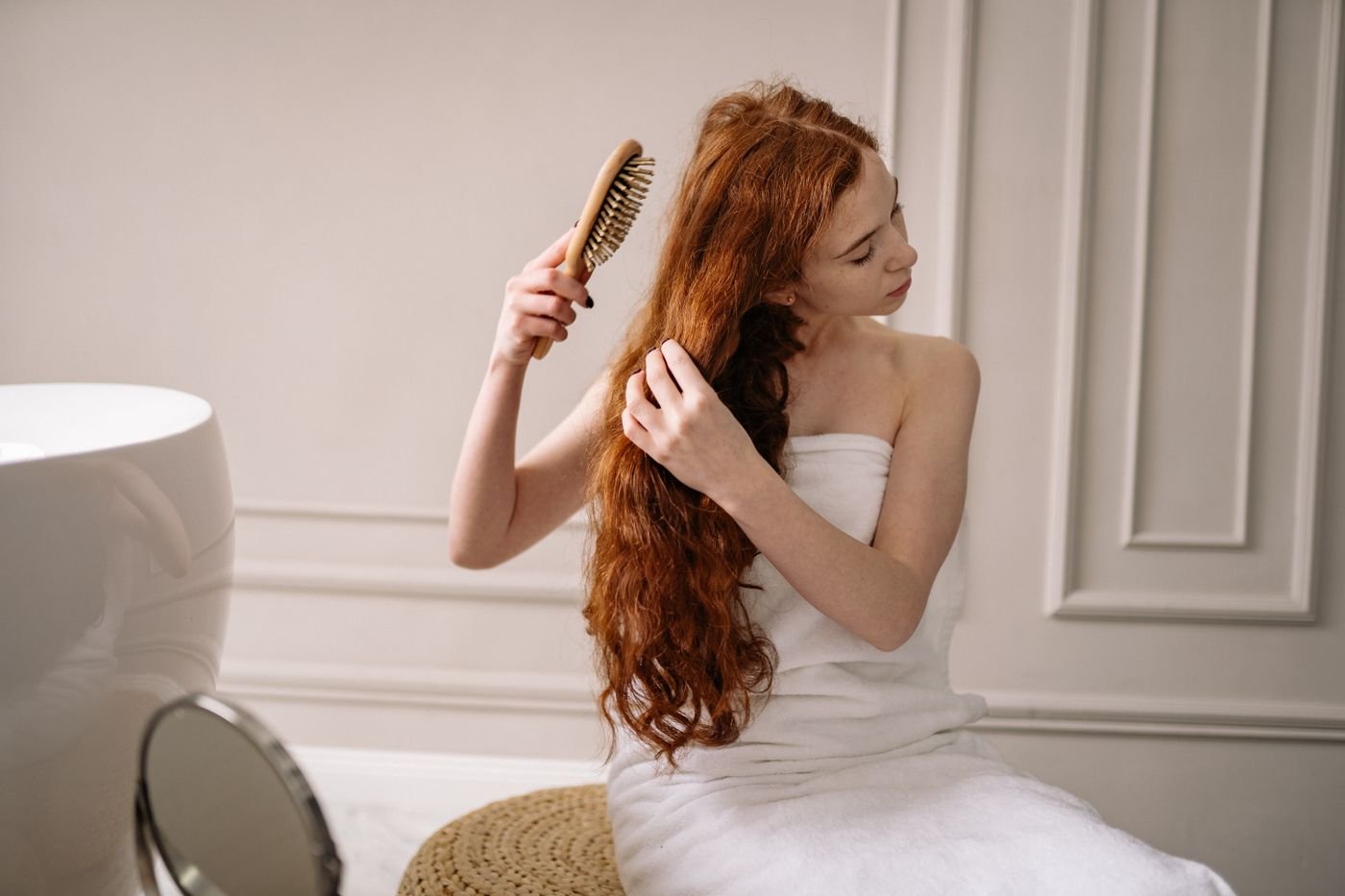
- Detangling and brushing without causing breakage
- Heat protection, nighttime care, and scalp health
- Common mistakes and answers to the most common questions
How Often You Should Wash Long Hair
There’s no single correct washing frequency — it depends on hair type, texture, and how quickly your scalp produces oil. As a general starting point:
- Fine or thin hair tends to look oily fastest and often needs washing every one to two days.
- Semi-coarse hair generally does well washed every two to four days.
- Coarse or thick hair can often go a full week between washes, since natural oils take longer to travel down thicker strands.
- Curly, coily, or textured hair is typically driest and most prone to damage from frequent washing, so stretching washes out to every one to two weeks — with co-washing or scalp-focused rinses in between — tends to work better than daily or every-other-day washing.
Overwashing is a genuine risk, not just an old wives’ tale — stripping natural oils too frequently leads to dryness and, over time, more breakage. The fix isn’t skipping washes indefinitely, though; it’s applying shampoo to the scalp specifically rather than dragging it down the full length of the hair, since the ends rarely need the same cleansing that the scalp does.
Conditioning: Technique Matters More Than Product
Conditioner belongs on the mid-lengths and ends, not the scalp — applying it at the roots is one of the most common reasons hair looks flat or weighed down. Gently squeezing out excess water before applying conditioner also helps, since oversaturated hair dilutes the product before it can actually work.
A weekly or biweekly deep conditioning treatment, left on longer than a standard rinse-out conditioner, gives the ends — the oldest, most damaged part of any long hairstyle — a meaningful boost in moisture that a quick daily conditioner can’t fully deliver.
Split Ends: What Actually Works
Split ends happen when the protective outer layer of the hair shaft wears down, typically from heat, chemical processing, or rough handling, exposing and weakening the hair underneath. It’s worth being direct about one thing: no product can genuinely repair a split end once it happens. Leave-in treatments, oils, and serums can smooth and temporarily disguise the split, but the hair itself doesn’t heal — cutting is the only real fix.
That makes regular trims less optional than they might seem for anyone growing their hair out. A trim every eight to twelve weeks removes split ends before they travel further up the hair shaft, which is what causes hair to look thin and stringy at the ends over time even while it’s technically still growing.
Detangling and Brushing Without Breakage
How you detangle matters as much as how often you brush. A few habits make a measurable difference:
- Start from the ends and work upward in small sections, rather than dragging a brush from root to tip through a full knot — this puts far less strain on the hair.
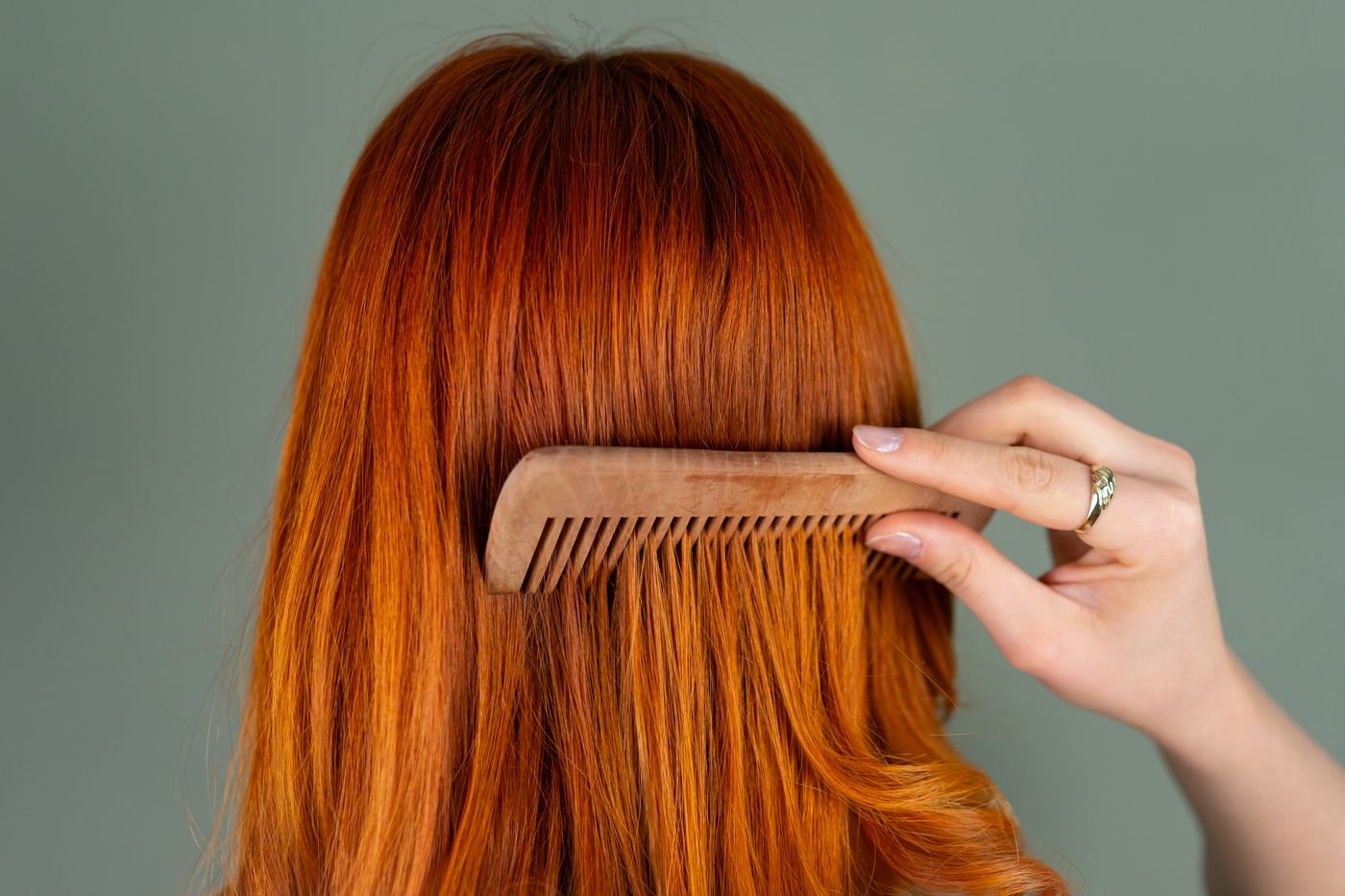
- Use a wide-tooth comb on wet hair instead of a standard brush, since hair is at its most fragile and stretchy when wet and a fine-tooth brush pulls harder on tangles.
- Detangle before washing, not after, on textured or curly hair specifically, since wet curly hair is more prone to breakage when detangled from a fully tangled, unprepped state.
- Brush less, not more. Excessive daily brushing, especially with a stiff-bristled brush, is itself a cause of breakage and split ends — a gentle detangle once or twice a day is enough for most hair types.
Heat Protection and Styling
Heat styling is one of the fastest ways to shorten the lifespan of long hair, since repeated high heat breaks down the same protective layer that split ends form from. If heat tools are part of your routine:
- Apply a heat protectant every time, not just for special occasions.
- Use the lowest effective temperature rather than defaulting to the highest setting.
- Let hair air-dry partially before blow-drying to reduce total heat exposure time.
- Give hair heat-free days between styling sessions when your schedule allows it.
Nighttime Care
What happens to your hair overnight adds up over months. A standard cotton pillowcase creates friction that roughens the hair cuticle and contributes to frizz and breakage, while silk or satin — either as a pillowcase or a loose bonnet — lets hair glide rather than catch. Loosely braiding or twisting long hair before bed also reduces the tangling that would otherwise need to be brushed out (with the friction that implies) the next morning.
Scalp Health
Healthy length ultimately grows from a healthy scalp. Regular scalp massage — a few minutes with fingertips, not nails — increases blood flow to the area and helps distribute natural oils along the scalp rather than letting them concentrate at the roots. It’s also a useful moment to actually look at your scalp for flaking, unusual redness, or tenderness worth mentioning to a dermatologist rather than styling around.
Common Mistakes to Avoid
- Washing too often out of habit rather than actual need, which strips natural oils and can ultimately increase breakage over time.
- Applying conditioner at the roots instead of focusing it on the mid-lengths and ends where it’s actually needed.
- Skipping trims to “save length.” Ironically, this often results in less healthy-looking length overall, since untreated split ends travel further up the hair shaft.
- Brushing wet hair with a standard brush. Wet hair is at its most elastic and prone to snapping; a wide-tooth comb is considerably gentler.
- Relying on heat protectant as a substitute for lower heat. Protectant products reduce damage, but they don’t eliminate it — turning the temperature down still matters.
Frequently Asked Questions
How often should I really wash long hair?
It depends on your hair type — roughly every one to two days for fine hair, every two to four days for semi-coarse hair, about weekly for coarse or thick hair, and every one to two weeks for curly or coily hair, with scalp-focused rinses or co-washing in between for textured hair.
Can split ends actually be repaired?
No — once a split forms, no product can permanently fuse it back together. Oils and serums can smooth and temporarily disguise the appearance, but cutting the split off is the only way to actually remove it.
How often should I trim my hair if I’m growing it out?
A trim every eight to twelve weeks is a reasonable general guideline, though it can be stretched slightly longer if the ends are showing minimal wear and shortened if you’re using heat tools frequently or have chemically treated hair.
Does brushing your hair 100 strokes a day actually help?
No — this is an outdated recommendation. Excessive brushing causes more breakage and split ends than it prevents; a gentle detangle once or twice a day is enough for most hair types.
Does a silk pillowcase actually make a difference?
Yes, to a meaningful degree — silk and satin create far less friction against hair than cotton, which reduces the overnight tangling and cuticle roughening that contribute to frizz and breakage over time.
Final Thoughts
Long hair care rewards consistency over intensity — a reasonable washing schedule, conditioner applied where it’s actually needed, gentle detangling, regular trims, and a silk pillowcase will do more for the health of your length over a year than any single treatment or product splurge. Build the routine around your specific hair type rather than a generic schedule, and adjust as you go based on how your hair actually responds.
If you’re working with curly or coily texture specifically, our 4C hair care guide covers the moisture routine that texture needs in more depth, and our hair texture guide can help you identify exactly which category your hair falls into before you settle on a care routine.