21 Best Ash Brown Hair Color Ideas for 2026
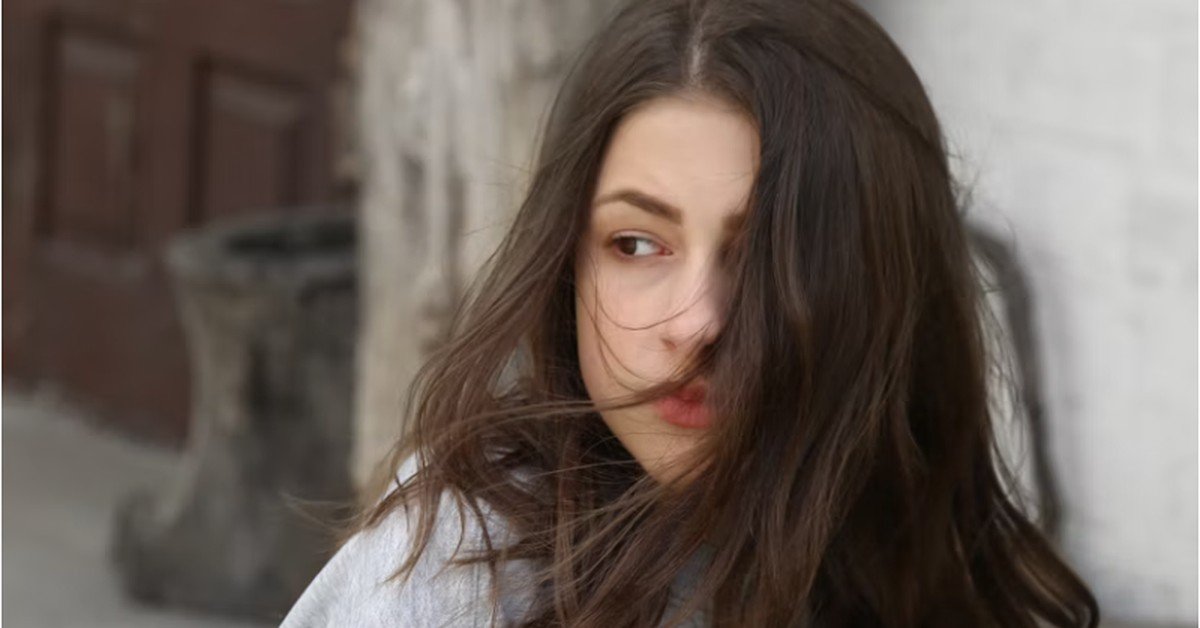
Ash brown sits in a strange spot in the color chart. It’s brown enough to read as natural in daylight, but the second you tilt it toward warmth it stops being ash. Getting the balance right, and keeping it right through Dubai’s heat and hard water, is really the whole story of this color.
Quick answer: Ash brown is a cool-toned brunette shade built by adding blue and green-based pigment (or removing red/gold pigment) from a brown base, so the hair reads smoky and muted rather than warm or golden. It ranges from a deep ashy espresso to a lighter ashy chestnut, and most people with a natural level 4 to 7 brown base can reach it with a single ash-toned glaze or permanent color, without needing to lift the hair first.
What Makes a Brown “Ash”
Hair color is built on the same wheel painters use. Warm colors (red, orange, gold) sit opposite cool colors (blue, green, violet). Natural brown hair almost always carries an undertone of red or orange pigment, called the underlying pigment or “warmth,” which becomes visible whenever the cuticle is lifted even slightly by sun, salt water, chlorine, or a color service.
Ash toners work by depositing the cool pigment that sits opposite that warmth on the color wheel. Blue cancels orange, and green cancels red. A colorist mixing an ash brown formula is usually blending a blue-based or green-based pigment into the brown base so the two neutralize each other, leaving a flat, smoky, almost slate-like brown rather than a chocolate or caramel one.
This is a deposit-only process for most people. Because the goal isn’t to lighten the hair, only to shift its tone, a colorist can usually take natural brown hair to ash brown with a demi-permanent or permanent gloss in a single visit, without bleach. Bleach only becomes necessary if you’re starting from hair that’s already been colored warm (red, copper, or gold-based) and the underlying pigment needs to be lifted out before the ash can sit correctly, or if you want an ash shade noticeably lighter than your natural level.
Can You Get Ash Brown Without Bleaching?
| Starting Point | Bleach Needed? | What Actually Happens |
|---|---|---|
| Natural, untreated brown hair (level 4–7) | No | A demi-permanent or permanent ash-brown color deposits directly over your natural warmth. |
| Previously colored warm brown, auburn, or copper | Usually yes, at least a gentle lift | Old warm pigment has to be lifted or filled before ash tone can neutralize it, or the ash will look muddy or grey-green instead of cool brown. |
| Black or very dark brown (level 1–3) wanting a lighter ash | Yes | Hair must be lifted to a lighter level before ash tone can show up as anything other than a subtle cool cast on near-black hair. |
| Already blonde or heavily highlighted | No, but needs a color fill | A brown-based ash gloss is applied to bring lightened hair back down to a brunette level with a cool cast. |
21 Ash Brown Hair Color Ideas
- Cool Espresso Ash – A near-black brown with a subtle blue-violet cast that only shows in direct light, keeping depth without looking flat black.
- Classic Ash Brown – The reference shade: medium brown with visibly muted, smoky undertones and zero gold.
- Ash Brown Balayage – Hand-painted lighter pieces toned ash instead of golden, so the contrast reads soft rather than sun-kissed.
- Cool Chestnut Ash – Chestnut’s warmth pulled back with a blue-based glaze, keeping the richness but losing the copper flash.
- Ashy Mocha Brown – A medium brown with a faint grey undertone, closer to a coffee-with-cream color than a true chocolate.
- Dark Ash Brown – One or two levels darker than classic ash brown, popular for winter and for covering grey with a cooler finish than standard dark brown dye.
- Ash Brown with Money Piece – A single face-framing lightened section toned ash-beige against an otherwise natural ash brown base.
- Smoky Ash Brunette – Deliberately flat, almost matte finish achieved by minimizing shine-boosting warm reflects in the gloss formula.
- Ash Brown Root Melt – Natural or slightly darker ash roots blending into a lighter ash-toned mid-length and ends.
- Cool-Toned Bronde (Ash) – Sits between ash brown and ash blonde, popular as a low-maintenance grow-out from lighter hair.
- Ash Brown Highlights on Dark Hair – Fine, low-contrast ash highlights woven through a dark brown base for dimension without a color change.
- Cool Caramel-Ash Blend – A small amount of ash toner mixed into caramel to soften its gold rather than eliminate it entirely.
- Ash Brown Ombré – A gradient from a dark ash root to a lighter ash-beige end, kept cool throughout instead of warming toward the tips.
- Platinum-Ash Brown Contrast – Ash brown base with a few icy, near-platinum ash pieces for high contrast without full blonde upkeep.
- Ash Brown with Silver Strands – A styling trend rather than a grey-coverage technique: fine silver or grey-toned pieces added deliberately into ash brown hair.
- Cool Taupe Brown – An ash-adjacent shade with a slightly beige lean, often requested by people who find pure ash too grey for their skin tone.
- Ash Brown Lob – The color paired with a lived-in long bob; the shorter length shows tonal shifts and grow-out faster than long hair.
- Ash Brown for Grey Coverage – Permanent ash-brown formulas built specifically to cover resistant grey while avoiding the orange rebound grey hair often produces.
- Reverse Ash Balayage – Darker ash pieces painted into naturally lighter brown hair, the opposite of traditional balayage, for added depth.
- Ash Brown with Curly or Coily Texture – The same tone formulated as a gloss or demi-color to protect curl pattern and moisture balance.
- Cool Ash Brunette with Blue-Black Undertone – The deepest end of the ash brown family, where blue pigment is strong enough to read almost blue-black in low light.
Which Skin Tones Suit Ash Brown
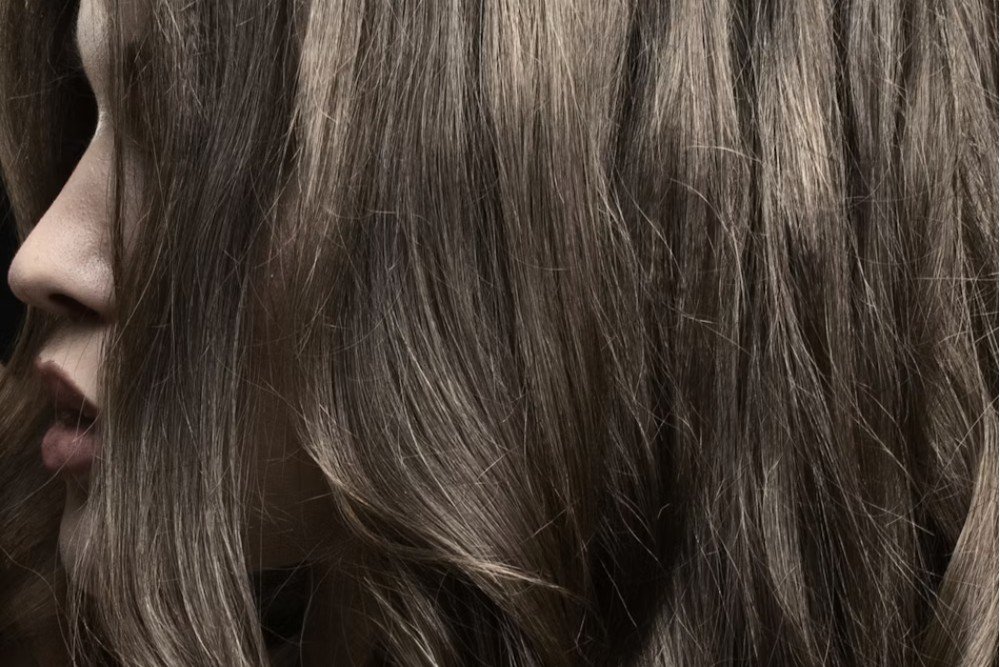
| Skin Tone | Best Ash Brown Depth | Why It Works |
|---|---|---|
| Cool or pink undertone | Any ash brown, especially deeper or true-ash shades | Cool hair echoes the skin’s existing undertone, so it reads harmonious rather than draining. |
| Warm or golden undertone | Cool taupe brown or a lightly ashed chestnut rather than a heavy ash | A strong ash cast can fight a warm complexion; a softened, taupe-leaning ash keeps balance without clashing. |
| Olive undertone | Medium to dark ash brown | Olive skin tends to carry natural green undertones that a cool brown complements rather than intensifies. |
| Deep skin tones | Deep ash espresso or cool-toned dark chocolate | Richer depth keeps the ash effect visible without washing out darker complexions. |
| Fair, pale undertone | Lighter ash brown or ash bronde | Very dark ash can look severe against pale skin; a lighter shade keeps contrast gentle. |
Why Ash Brown Fades Faster Than Other Browns
This is the part most color guides skip, and it’s the reason ash brown needs more upkeep than a warm or neutral brown of the same depth. Hair color pigment molecules aren’t all the same size. Warm pigments, reds, oranges, and golds, are generally made of larger molecule structures that lodge more firmly inside the hair shaft’s cortex. Cool pigments, the blues and violets used to build ash tones, tend to be smaller-molecule dyes that wash out of the hair shaft more quickly with every shampoo, UV exposure, and mineral-rich water contact.
The practical result is a two-stage fade. First, the blue or violet ash pigment fades out faster than the underlying warm pigment it was neutralizing. Second, once that ash pigment thins, the hair’s natural warmth, the same red-orange undertone the toner was covering in the first place, starts to reassert itself. This is why ash brown hair doesn’t just “get lighter” as it fades; it visibly warms up, often looking brassy or reddish-brown within four to six weeks even though nothing was done to add warmth. It isn’t a flaw in the color job. It’s the predictable behavior of how ash pigment sits in the hair compared to how the underlying pigment behaves.
Keeping Ash Brown From Fading Warm
- Use a blue or purple-toned shampoo once or twice a week to redeposit small amounts of cool pigment between salon visits.
- Wash with lukewarm to cool water; hot water opens the cuticle further and accelerates pigment loss.
- Choose sulfate-free, color-safe shampoo and conditioner, since sulfates strip color-treated hair faster than gentler cleansing agents.
- Apply a UV-protectant hair spray or leave-in before extended sun exposure, since UV breaks down hair pigment molecules directly.
- Book a gloss or toner refresh every four to six weeks rather than waiting for visible warmth to reappear.
Ash Brown vs. Mushroom Brown vs. Chestnut Brown
| Shade | Undertone | Depth Range | Best For |
|---|---|---|---|
| Ash Brown | Blue/violet-based, strongly cool | Medium to dark | Anyone wanting maximum warmth reduction and a smoky finish |
| Mushroom Brown | Cool with a soft grey-beige lean, less blue than pure ash | Light to medium | Those who want a cool brunette that still looks soft and lived-in, not flat grey |
| Chestnut Brown | Warm, red-gold based | Medium | Warm or olive undertones wanting richness and shine rather than a cool cast |
Mushroom brown and ash brown are often confused because both are cool-leaning, but a colorist builds them differently. Ash brown leans on blue and violet pigment for a stronger, more deliberate neutralization of warmth. Mushroom brown uses a lighter hand, blending in beige and grey tones so the result looks naturally muted rather than intentionally toned, which is why mushroom brown tends to photograph softer and ash brown reads more graphic and defined.
Ash Brown Hair in Dubai’s Climate
Dubai’s combination of intense UV exposure, high humidity, chlorinated pool water, and desalinated tap water with a high mineral content works against ash tones specifically. UV breaks down the smaller ash pigment molecules faster than it breaks down warm pigment, and mineral buildup from hard water can deposit a dulling film that makes ash brown look flat or slightly green rather than clean and smoky.
Salons across Dubai commonly recommend a chelating or clarifying shampoo treatment every two to three weeks specifically for ash-toned hair, to strip mineral buildup before it interacts with the toner. A leave-in UV protectant is worth treating as a daily habit rather than an occasional extra during the hotter months between April and September, and swimming in pools or the sea calls for a pre-wet with fresh water and a swim-specific conditioner to reduce how much chlorinated or salt water the hair shaft absorbs.
What Ash Brown Hair Color Typically Costs in Dubai
| Service | Typical Price Range (AED) |
|---|---|
| Root touch-up / regrowth color (ash brown) | 250–450 |
| Full head permanent or demi-permanent color | 350–700 |
| Ash brown balayage or highlights | 600–1,400 |
| Correction from warm/previously colored hair (may include bleach) | 800–2,000+ |
| Toner or gloss refresh only | 200–400 |
Prices vary widely by salon tier, hair length and thickness, and how much correction is needed from previous color. Salons in Dubai Marina, Downtown, and JBR generally sit at the higher end of these ranges; neighborhood salons in areas like Al Barsha or Al Qusais are often priced lower for the same service. Always ask for a consultation and patch test before committing to a full-color appointment, particularly if you’re moving from a warm shade to ash.
Frequently Asked Questions
Does ash brown hair color suit everyone?
Not automatically. It tends to look most natural on cool or neutral undertones. Warm undertones can still wear it successfully by choosing a softer, taupe-leaning ash rather than a heavily blue-based one, which a colorist can adjust in the formula.
How long does ash brown hair color last before it needs a touch-up?
The cool tone itself typically holds its truest color for four to six weeks before warmth starts to show through, even though the overall color (and grey coverage, if applicable) can last the usual six to eight weeks a permanent color lasts on the hair shaft.
Will ash brown hair color turn my hair grey or dull looking?
Done well, no. “Ash” refers to the neutralization of warmth, not the addition of grey pigment. If hair looks flat, dull, or grey-green instead of a rich, smoky brown, it’s usually a sign of too much blue/violet pigment relative to the hair’s natural warmth, mineral buildup from hard water, or a formula that wasn’t matched to the client’s underlying tone.
Can I go from ash brown back to a warm brown later?
Yes. Because ash brown is largely a deposit-only color for most people, a warm-toned gloss or permanent color can be applied over it to reintroduce warmth, though a colorist may want to assess for any buildup of blue/violet pigment first so the warm tone isn’t muddied.
Ash brown rewards a little planning more than most brunette shades: it’s an easy color to reach from a natural base, but it’s also one of the few browns that visibly shifts character as it fades, from cool and smoky toward warm and reddish, rather than simply lightening in place. Match the depth to your undertone, build a maintenance routine around Dubai’s sun and water from day one, and it holds its intended look far longer than going in without a plan.
For a warmer take on the same cool-toned brunette family, see our guide to brown balayage hair colors, or if you’re considering going lighter altogether, our ash blonde hair colors guide covers the same cool-toning principles at a lifted level.