29 Coolest Blonde Ombre Hair Color Ideas in 2026
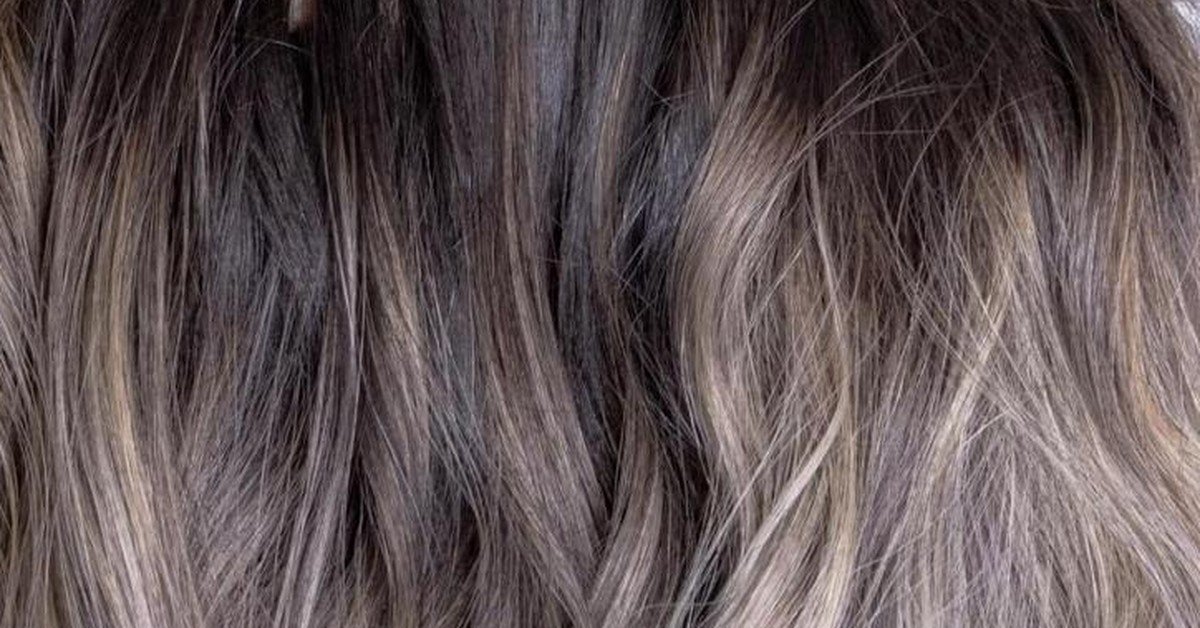
Blonde ombré is a color combination, not a technique in the way balayage or foiling is. The technique used to create it can vary (hand-painted, foiled, color-melted), but what defines a blonde ombré is the destination: hair that moves from one distinct shade into blonde, or from blonde into something else, in a graduated, two-toned transition rather than the scattered pieces of a highlight. That distinction matters more than most guides admit, because the “which blonde ombré should I get” question is really a question about which base shade you’re transitioning from or into, and how much contrast you actually want between the two.
This guide runs through 29 blonde ombré color combinations for 2026, explains how a standard ombré differs from the reverse-ombré trend that inverts the whole idea, and covers what most articles skip: how to actually choose a combination based on your natural base color, what going blonde-to-black really involves, and what maintenance and Dubai-specific salon costs look like.
What Actually Defines a Blonde Ombré
A blonde ombré is built around a deliberate, visible transition between two color zones, most commonly a deeper root area and blonde through the mid-lengths and ends. The colorist’s job is to place that transition line and then blend it so it reads as gradual rather than abrupt, typically by backcombing or feathering the edge where the two tones meet during application. This is different from balayage, where color is painted in irregular, scattered strokes with no single transition line, and different from foil highlighting, where lightener sits in discrete, separated sections. Ombré is graphic and two-toned by design; balayage and highlights are dimensional and blended throughout.
Because the transition is the whole point, an ombré tends to look more deliberate and less “grown out” than balayage, which is exactly why some people prefer it and others find balayage more forgiving. Both are valid; they’re just solving for different things.
Standard Ombré vs. Reverse Ombré
Traditional blonde ombré keeps a darker root and lightens progressively toward the ends. Reverse ombré flips this entirely: a lighter or blonde root gradually deepens into a darker tone through the lengths. Colorists typically achieve reverse ombré by applying color directly at the root and blending it downward, often using balayage, foiling, or color-melting to avoid a hard line where the two tones meet, rather than lightening from the ends the way standard ombré does. Reverse ombré works particularly well for naturally blonde or previously highlighted hair that has grown out and needs a deliberate, styled transition rather than a full re-color.
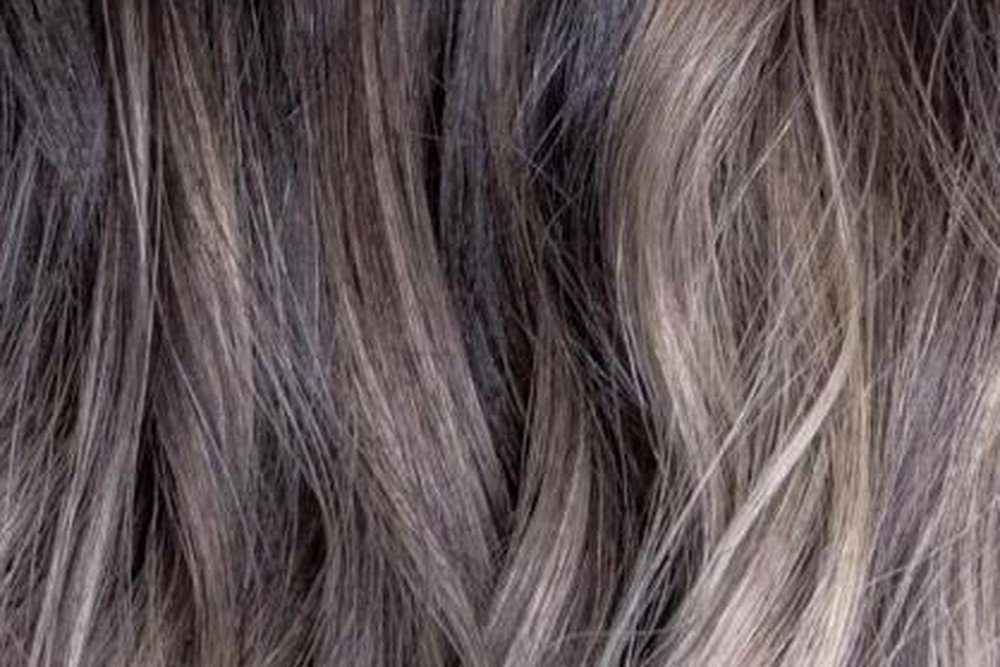
29 Blonde Ombré Color Combinations for 2026
- Platinum Blonde to Golden Brown Ombré — bright platinum ends against a warm golden-brown root for high contrast.
- Golden Blended Ombré — a warm, seamless gold-toned transition with minimal contrast between root and end.
- Brown to Icy Blonde — a cool-toned brunette root fading into a near-platinum, blue-based blonde.
- Dark Blonde to Caramel Brown — a reverse-style combination, deepening from dark blonde roots into rich caramel.
- Blonde to Brown Ombré with Waves — the transition styled to follow the movement of loose waves rather than a straight vertical line.
- Reverse Blonde to Brunette Ombré — blonde at the root deepening into a full brunette through the ends.
- Strawberry Blonde to Red Ombré — a warm strawberry-blonde root moving into a deeper copper-red.
- Blonde to Warm Caramel Ombré — blonde roots blending into a warm, honey-caramel mid-length and end.
- Blonde to Black Ombré — a high-contrast combination pairing pale blonde with near-black ends, one of the more dramatic and higher-upkeep options on this list.
- Light Brown to Blonde Ombré — a soft, low-contrast combination popular for a natural, sun-lightened look.
- Ash Blonde to Ash Brown Ombré — both zones kept cool-toned for a smoky, non-warm overall effect.
- Honey Blonde to Chestnut Ombré — a warm-toned pairing that photographs well against medium skin tones.
- Champagne Blonde to Beige Root Ombré — low-contrast and neutral-toned, one of the more office-appropriate combinations.
- Buttery Blonde to Copper Ombré — a warm, high-saturation pairing for those wanting bold color without full commitment.
- Rose Gold Blonde Ombré — pale blonde ends with a subtle pink-gold cast, blended from a neutral root.
- Vanilla Blonde to Toffee Ombré — soft, pale blonde fading upward into a deeper toffee-brown base.
- Blonde to Auburn Ombré — blonde ends against a rich auburn root, a warmer alternative to brown-based ombré.
- Silver Blonde to Charcoal Ombré — a cool, high-fashion pairing of near-silver ends and dark charcoal-toned roots.
- Two-Tone Blonde Money-Piece Ombré — ombré combined with brighter face-framing pieces for extra dimension near the face.
- Blonde to Espresso Ombré — very dark, near-black-brown roots with bright, high-lift blonde ends.
- Sandy Blonde to Taupe Ombré — a muted, low-warmth combination for a soft, understated look.
- Blonde Ombré on Curly Hair — placement adjusted to track curl patterns rather than falling in straight vertical zones.
- Blonde Ombré on a Long Bob — a shorter length where the transition sits higher, closer to the chin or collarbone.
- Icy Blonde to Cool Gray Ombré — a fashion-forward pairing aimed at cool, ashy undertones throughout.
- Blonde to Mahogany Ombré — blonde ends against a red-brown mahogany base for warmth with depth.
- Pastel Blonde Ombré — a very pale, almost white-blonde transition with minimal warmth, popular for fine or fair hair.
- Blonde to Deep Plum Ombré — a bold, fashion-color pairing combining blonde with a rich plum-toned base.
- Face-Framing Reverse Ombré — reverse-style darkening concentrated only around the front hairline, left subtle elsewhere.
- Bronde Ombré — a low-contrast, in-between combination where neither the root nor the end reads as fully brown or fully blonde.
Choosing a Combination Based on Your Natural Base
The single biggest factor in how well a blonde ombré turns out is how much lift is required to get from your natural base color to the blonde you want, since that directly affects both the final tone and how damaging the process is.
| Natural Base | Realistic Blonde Ombré Options | What to Expect |
|---|---|---|
| Light brown | Golden blonde, honey blonde, sandy blonde | Moderate lift required; results tend to look natural and sun-kissed |
| Medium to dark brown | Caramel-to-blonde, honey-to-platinum, bronde | More lightener and processing time needed for lighter ends; a warm underlying tone is common unless well-toned |
| Black or very dark brown | Blonde-to-black (reverse works better here), deep caramel ombré | Achieving pale blonde ends requires significant, often multi-session lightening; going the reverse direction (blonde root fading to the natural dark base) is usually faster and less damaging |
| Naturally blonde | Reverse ombré into brunette, caramel, or auburn tones | Requires only depositing color at the root rather than lightening, generally the lowest-damage option on this list |
What Going Blonde-to-Black Actually Involves
Blonde-to-black is the highest-contrast combination on this list, and it’s worth understanding what it requires before booking it. If your natural hair is already dark, achieving genuinely pale blonde ends typically means multiple rounds of lightener applied over more than one salon visit, since taking very dark hair to a pale blonde in a single session risks significant breakage. Many colorists will insist on spacing sessions out over several weeks specifically to protect the hair’s structural integrity. The darker portion is usually more straightforward, since depositing a dark, non-lifting color onto blonde hair doesn’t require the same aggressive processing. If you’re set on this combination but have dark natural hair, ask your colorist directly about a multi-session timeline rather than expecting it in one appointment.
Keeping a Blonde Ombré Looking Sharp
The blonde portion of any ombré fades the same way any lightened hair does: warmth returns as the toner wears off, usually within a few weeks. A purple or blue-toned shampoo used once or twice a week keeps that toner in place longer, and most colorists recommend a full color refresh roughly three times a year for ombré specifically, since the transition point becomes visually harder to maintain than an all-over color as new growth appears at the root. Between full refreshes, a toning gloss keeps the blonde zone from drifting brassy without requiring another round of lightener.
Blonde Ombré in Dubai’s Climate
The same environmental pressures that affect any lightened hair in the UAE apply directly to the blonde portion of an ombré. Constant, intense UV exposure fades toner faster and can further dry out hair that has already been chemically lightened, so a UV-protectant leave-in and reduced direct sun exposure during peak hours help protect the color investment. Dubai’s desalinated tap water carries a heavier mineral load than many other cities’ supplies, which can dull lightened hair and pull blonde tones warmer between salon visits; a filtered showerhead is a practical, commonly recommended fix. Chlorinated pool water adds to the same problem, so rinsing with clean water immediately before and after swimming, and using a leave-in protective product, helps limit how much mineral and chlorine buildup the blonde section absorbs.
What a Blonde Ombré Costs in the UAE
| Service | Typical Price Range (AED) | Notes |
|---|---|---|
| Short hair ombré | 650 – 900 | Above-shoulder length; simpler color-melting techniques |
| Medium-length ombré | 950 – 1,300 | To collarbone length |
| Long hair ombré, or dark-base-to-blonde | 1,400 – 2,200 | Higher end reflects multi-session lightening for dark natural hair going to pale blonde |
| Toner/gloss refresh (standalone) | 300 – 550 | Maintains the blonde zone between full color sessions |
| Reverse ombré (root-focused) | 500 – 900 | Often cheaper than traditional ombré since it targets a smaller, root-concentrated area |
Frequently Asked Questions
How is ombré different from balayage?
Ombré is a deliberate, graduated transition between two distinct color zones, usually root versus ends. Balayage is scattered, hand-painted color with no single transition line, aiming for all-over dimension rather than a graphic split between two tones.
Can I go from black hair to blonde ombré in one appointment?
Usually not safely. Taking very dark or black hair to a genuinely pale blonde typically requires multiple lightening sessions spaced over several weeks to avoid excessive breakage. A colorist assessing your hair’s current condition and porosity will give you a realistic timeline.
What is reverse ombré and who is it best for?
Reverse ombré keeps a lighter or blonde root and deepens gradually toward the ends, the opposite of traditional ombré. It suits people with naturally blonde or already-highlighted hair who want a styled, deliberate transition without a full re-color, and it’s generally a lower-damage service since it involves depositing color rather than lifting it.
How often does a blonde ombré need to be redone?
Most colorists recommend a full refresh around three times a year, with toning glosses in between to keep the blonde zone from turning brassy. This is less frequent than root-touch-up schedules for all-over color, since the transition zone is designed to blend rather than show a hard demarcation line as hair grows.
Blonde ombré remains one of the more customizable hair color categories because the “blonde” half is really just one end of a spectrum of combinations, brown, red, black, or another blonde shade can sit on the other side, and the right choice depends far more on your natural base color and how much processing you’re willing to commit to than on any single trending photo. Understanding the difference between standard and reverse ombré, and being honest about what a dramatic combination like blonde-to-black actually requires, is what separates a color that looks intentional from one that looks like a compromise.
For related looks, see our guides to long ombre hair ideas and brown hair with blonde highlights.