Top 20 Modern Cove Lighting Ideas for Luxury Home Decor
Quick answer: Cove lighting looks premium when the light source is fully hidden and the glow is continuous with no visible bright spots or breaks. That comes down to two numbers: a recess depth of at least 4–6 inches (deeper, 8–12 inches, for a softer diffused glow) so you never see the LED strip itself directly, and a warm white color temperature of 2700–3000K for living rooms and bedrooms specifically. Get those two details wrong and no amount of “luxury design” language changes the result — you’ll see the strip, or the light will feel clinical instead of calm.
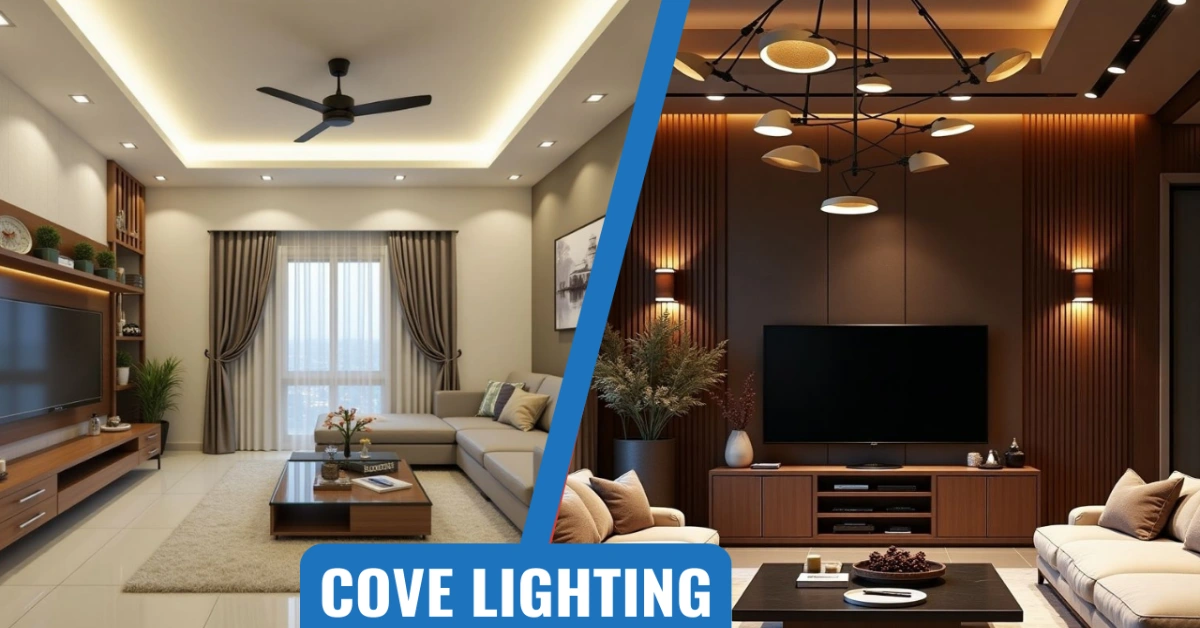
Cove lighting is indirect lighting recessed into a ceiling ledge, wall channel, or false-ceiling edge so the light source itself stays out of view — you see the glow on the ceiling or wall, not the fixture. Done well, it’s genuinely one of the more effective ways to make a room feel calmer and a ceiling feel higher. Done without attention to depth, temperature, and continuity, it just looks like a visible LED strip stuck to a ledge.
Recess Depth: The Detail That Determines Whether You See the Fixture
This is the single most common mistake in cove lighting installs. The channel needs to be deep enough that the LED strip sits below the sightline from normal standing or seated eye level in the room:
- 4–6 inches: Produces a more focused band of light — works well for smaller cove details or accent lines.
- 8–12 inches: Produces a softer, more diffused wash of light across the ceiling — generally the better choice for a full-room cove intended to read as ambient lighting rather than an accent line.
Whatever depth you choose, the strip itself should never be visible from a standing position in the room — if you can see the LED line directly, the recess isn’t deep enough or the strip is mounted too far forward in the channel.
Color Temperature: Match It to the Room’s Actual Purpose
| Color Temperature | Feel | Best Rooms |
|---|---|---|
| Warm white (2700–3000K) | Cozy, relaxing, hotel-like | Bedrooms, living rooms, bathrooms meant for unwinding |
| Neutral white (4000–4100K) | Clear, functional, still comfortable | Kitchens, home offices, task-oriented spaces |
| Cool white (5000–6500K) | Alert, bright, clinical | Utility rooms, garages — rarely used in cove lighting for living spaces |
Most residential cove lighting mistakes come from picking a color temperature that’s too cool for the room’s purpose — a bedroom lit at 5000K reads as sterile rather than relaxing, no matter how well the channel and depth are done.
Color Accuracy (CRI): Why It Affects How Rooms Actually Look
CRI (Color Rendering Index) measures how accurately a light source shows true colors compared to natural light. For kitchens and bathrooms, aim for CRI 90 or above — this matters for judging food color and skin tone accurately. For living rooms, bedrooms, and hallways, CRI 80–90 is generally sufficient for ambient mood lighting. A low-CRI strip can make furniture, paint, or skin tones look subtly “off” even when the light itself seems bright enough.
Bathroom Cove Lighting: The IP Rating That Actually Matters
A cove strip in a bathroom is exposed to humidity and occasional water spray, which standard indoor LED strips aren’t built for:
- Dry areas (living rooms, bedrooms, hallways): IP20–IP30 rated strips are fine.
- Moisture-prone areas (bathrooms, especially near showers): IP65 or higher — IP65 strips are dust-tight and handle water jets, while IP67 tolerates temporary submersion. Using a non-rated strip in a bathroom cove is a genuine fire and short-circuit risk over time, not just a durability issue.
Continuous Lines, Not Broken Segments
Dark spots or visible seams between LED strip segments are one of the fastest ways to undercut a premium look. Plan the channel layout so strip runs meet at corners cleanly, use connectors rated for the strip, and avoid stopping a run mid-wall where the break will be obvious. A continuous, even glow is what actually reads as “designed” — visible gaps read as a DIY installation regardless of how good the ceiling work is otherwise.
Where Cove Lighting Works Best
- Living rooms: Around the ceiling perimeter, layered with lamps or spotlights rather than used as the only light source — cove alone is usually too soft for full-room general lighting.
- Bedrooms: Behind the headboard or around the ceiling border in warm white — genuinely useful as a lower-glare alternative to a bright overhead fixture before sleep.
- Kitchens: Above cabinets, both for ambiance and as usable low-level night lighting when full brightness isn’t needed.
- Bathrooms: Around mirrors or ceiling edges for a calmer, spa-like feel — with the correct IP-rated strip for the moisture exposure.
What Cove Lighting Costs in the UAE
A basic flat gypsum false ceiling typically runs AED 70–150 per square meter. A cove or tray ceiling with an integrated light channel runs higher, roughly AED 90–240 per square meter, depending on the channel detail, shadow gap design, and whether the LED strip and driver are included in that quote or billed separately. Always confirm specifically whether the LED strip, aluminum profile, and driver are part of the quoted price — these are commonly itemized separately and are an easy place for a quote to look cheaper than the finished job actually costs.
Installation Basics
Plan the channel depth and wiring path before the false ceiling is built, not after — retrofitting a cove channel into an already-finished ceiling is far more disruptive and expensive. Keep LED drivers in an accessible location for future maintenance or replacement, since drivers typically have a shorter lifespan than the LED strip itself. This is a job for a professional false-ceiling contractor rather than a DIY install, both for the gypsum work and for getting the electrical wiring done safely.
Frequently Asked Questions
How deep does a cove lighting recess need to be?
At minimum 4–6 inches to keep the LED strip out of direct sightline; 8–12 inches produces a softer, more diffused glow and is generally preferred for full-room ambient cove lighting rather than a narrow accent line.
What color temperature should I choose for cove lighting?
Warm white (2700–3000K) for bedrooms and living rooms where the goal is a relaxing atmosphere; neutral white (4000–4100K) for kitchens and task-oriented spaces where clarity matters more than mood.
Can I use regular LED strips for bathroom cove lighting?
No — standard indoor strips (IP20–IP30) aren’t built for humidity or water exposure. Bathroom cove lighting, especially near a shower, needs at least IP65-rated strips, which are dust-tight and handle direct water jets.
How much does cove lighting cost to install in the UAE?
A cove or tray ceiling with an integrated light channel typically runs AED 90–240 per square meter, compared to AED 70–150 for a basic flat gypsum ceiling. Always confirm whether the LED strip, profile, and driver are included in that quote, since they’re often priced separately.
Editorial note: Depth, color temperature, CRI, and IP rating figures reflect standard residential lighting design guidance current as of 2026. AED cost figures reflect current UAE false-ceiling contractor pricing and vary by contractor, detail level, and whether electrical components are included.