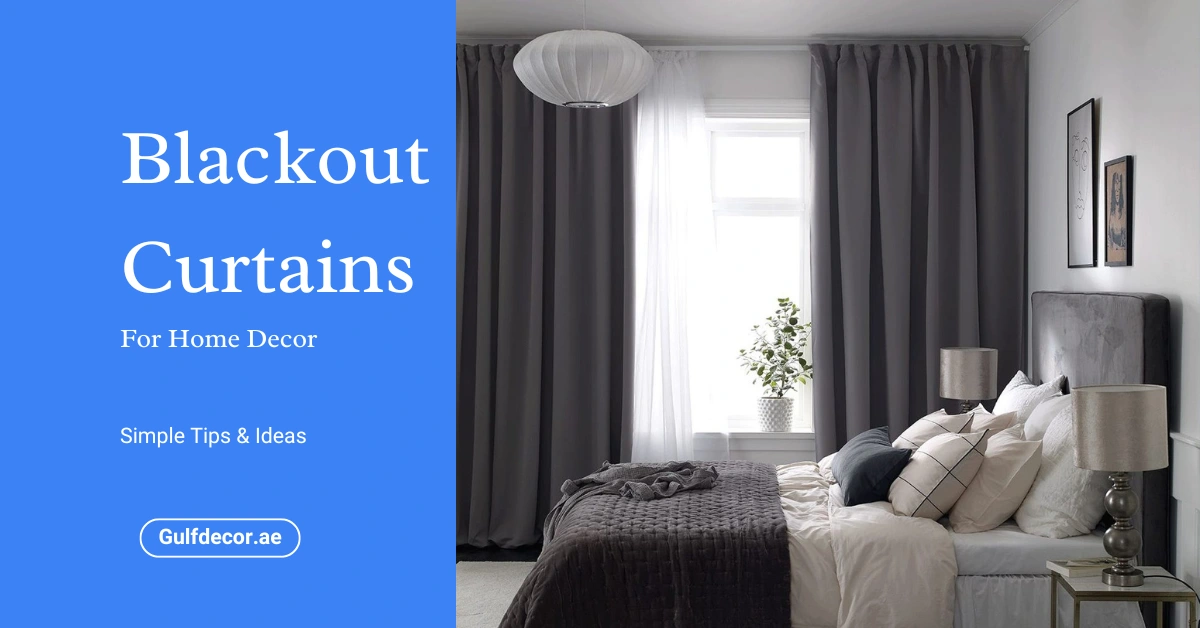
Everything About Modern Blackout Curtains
Quick answer: “Blackout curtain” describes a function, not a single look — the same light-blocking performance comes in motorized, velvet, patterned, and double-layer designs, each suited to different rooms and routines. This guide covers the styles and where to use them; for the construction details that actually determine performance (percent light block, lining types, verified energy savings), see our blackout curtain construction guide, and for washing and care, see our blackout curtain care guide.
Style 1: Motorized Blackout Curtains
Motorized systems open and close on a schedule, a remote, or a smart-home app, which makes them genuinely useful in two situations: rooms with hard-to-reach or unusually wide windows, and bedrooms where a scheduled wake-up (curtains opening with morning light, or closing before a nap) fits a routine better than a manual pull. The tradeoff is cost and installation complexity — factor in professional installation and occasional motor maintenance, not just the curtain fabric itself.
Style 2: Classic Solid Blackout Curtains
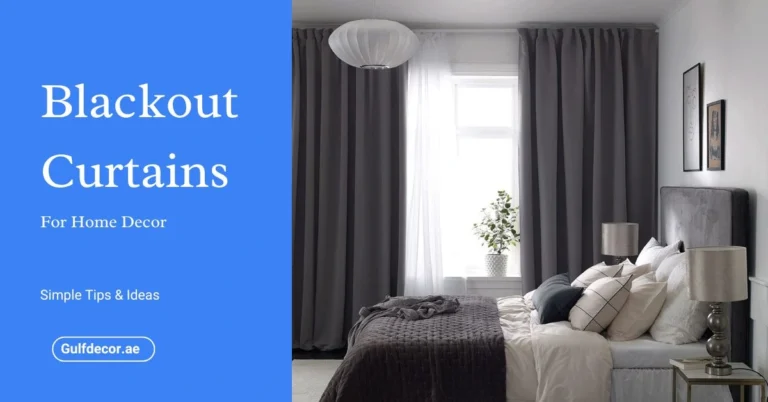
A single plain color in navy, charcoal, sage, or a warm neutral is the lowest-risk choice for bedrooms and home offices, and it’s the style that ages best since it never reads as trend-driven. If you’re unsure which color to commit to, our curtain color guide covers how to choose one that actually suits your wall and light direction.
Style 3: Velvet Blackout Curtains
Velvet’s dense pile adds a genuine sound-dampening benefit on top of the blackout lining, and its texture reads as more formal than a flat-weave fabric — a fit for a dining room, a formal living room, or a primary bedroom rather than a kids’ room or a rental. It shows dust more visibly than a matte weave, so factor in more frequent vacuuming.
Style 4: Patterned Blackout Curtains
Modern blackout linings are now available behind patterned face fabrics (geometric, botanical, abstract), which used to be rare when blackout linings only came in heavy solid weaves. Use pattern here the same way you would with any curtain: as the room’s one strong pattern statement if everything else is solid, not layered on top of an already-patterned rug or upholstery.
Style 5: Double-Layer (Sheer + Blackout)
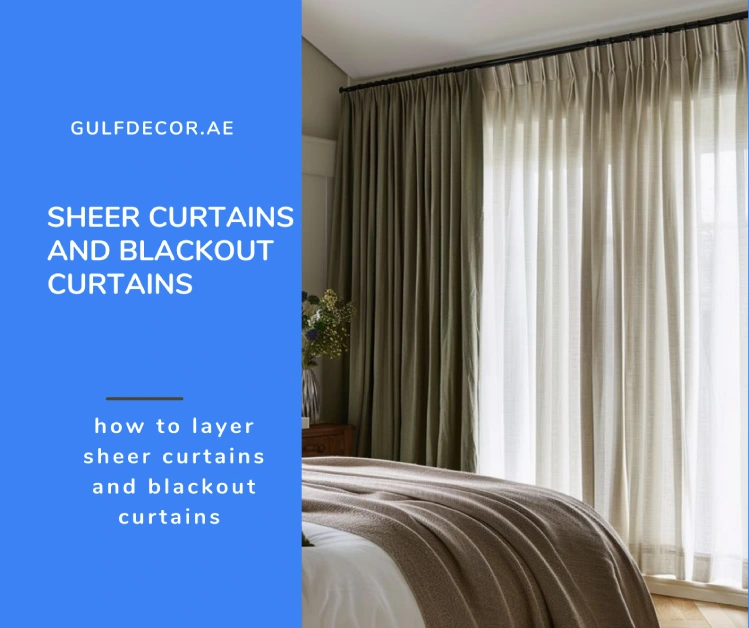
Two separate panels on a double rod — a sheer for daytime privacy and diffused light, a blackout for night — give a room genuine flexibility that a single-layer curtain can’t match. This is the setup most worth the extra hardware cost in a primary bedroom or a home office used at different times of day. Our layering installation guide covers the bracket spacing this needs.
Matching the Style to the Room or Use Case
| Setting | Best-suited style | Why |
|---|---|---|
| Primary bedroom | Double-layer or velvet | Flexibility for daytime privacy vs full night blackout, or added sound dampening |
| Nursery or kids’ room | Classic solid, light or muted color | Calm, non-distracting environment; easier to keep clean than velvet |
| Home office / study | Classic solid, cool-toned | Reduces glare on screens without a heavy, formal look |
| Media room | Velvet or motorized | Maximum light block plus the convenience of one-touch control for movie nights |
| Formal living or dining room | Velvet or patterned | Visual weight and texture suit a room meant to impress |
| Wide or hard-to-reach windows | Motorized | Removes the daily physical effort of drawing a heavy, wide panel |
Frequently Asked Questions
Is a motorized blackout curtain worth the extra cost?
For a genuinely hard-to-reach or unusually wide window, or a household that wants a fixed daily light schedule, yes. For a standard window a household opens and closes manually anyway, a classic or double-layer curtain delivers the same light-blocking performance for less money.
Do patterned blackout curtains block light as well as solid ones?
Yes — the blackout performance comes from the lining behind the face fabric, not the print on top of it, so a patterned face fabric with a proper blackout lining performs the same as a solid one with the same lining.
Which style is easiest to keep clean?
Classic solid curtains in a flat weave show dust and lint least visibly and are the simplest to vacuum and spot-clean. Velvet looks more luxurious but needs more frequent attention.
Can I mix styles in the same room?
Yes, and double-layer setups do exactly that by design — a sheer panel for daytime and a blackout panel for night on the same window, giving you both looks without redecorating.
Editorial note: Style and material choices here reflect common 2026 UAE home and hospitality design practice. For the technical specifications behind blackout performance itself, see our dedicated blackout curtain construction guide rather than relying on style alone.