8 Ways to Style Short Natural Hair (No Cut Required)
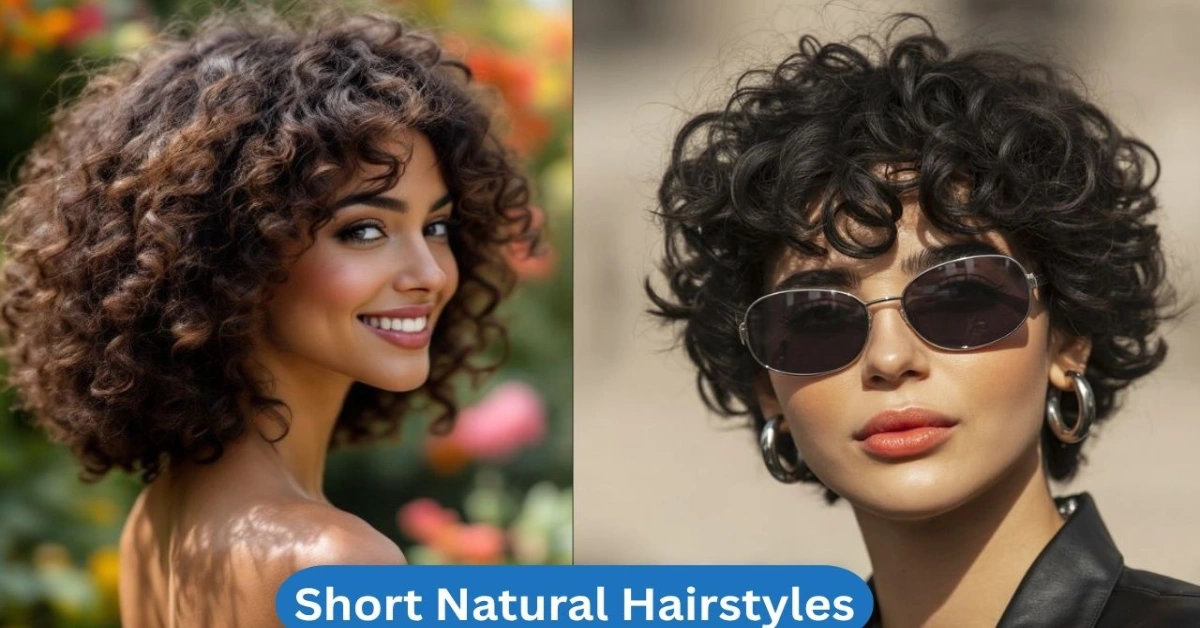
A short natural cut is just the starting point — the same TWA or short afro can look completely different depending on how it’s styled day to day. Where our guide to short hairstyles for Black women covers the cuts themselves, this one covers the styling techniques that change how a short natural cut looks and wears, without cutting a single strand.
Here are 8 ways to style short natural hair, from lowest-effort to most involved.
In This Guide
8 Ways to Style Short Natural Hair
1. Wash-and-Go
Effort level: lowest. Curl cream or gel applied to soaking-wet hair, air-dried or diffused, with zero further manipulation. Shows off your natural curl pattern exactly as it grows — the fastest way to style short natural hair and the best test of whether your wash-day routine is actually working.
2. Twist-Out
Effort level: medium, worth it for 3-5 days of hold. Damp hair is two-strand twisted in small sections, left to dry (or dried with a hooded dryer), then unraveled. Produces more defined, elongated curls than a wash-and-go and holds shape noticeably longer.
3. Finger Coils
Effort level: high upfront, low maintenance after. Small sections of damp hair are coiled individually around a finger using styling gel or curling custard, left to dry, then left as-is or gently separated. Especially good on 4B-4C hair, which holds a coiled shape the most cleanly.
4. Flat-Twist Set
Effort level: medium. Hair is twisted flat against the scalp in a chosen pattern (straight back, a side design, or a swirl), then unraveled once dry for a wavy, textured finish — similar to a twist-out but with a defined scalp pattern visible while the twists are still in.
5. Bantu Knot-Out
Effort level: medium-high, dramatic payoff. Hair is sectioned and wound into small knots, left to set overnight or longer, then unraveled into tight, springy curls. Produces the most defined, voluminous curl pattern of any at-home method on this list.
6. Blowout Afro
Effort level: high, needs heat tools. Hair is blow-dried on a low-heat, high-airflow setting with a comb attachment to stretch curls without fully straightening them, producing a rounded, voluminous afro shape with visible texture rather than a smooth press.
7. Finger-Styled Pixie with Edges
Effort level: low, high-polish payoff. Curl cream or edge control is used to define the hairline and any short baby hairs at the temples while the rest of the cut is left in its natural texture — a quick way to make a wash-and-go or twist-out look more finished for work or an event.
8. Color-Highlighted Natural Texture
Effort level: requires a colorist. Highlights or a full color placed strategically on the top or crown of a short natural cut add dimension that shows off curl movement more than a single flat color does — works with any of the seven styling methods above, since color doesn’t change the technique underneath.
Frequently Asked Questions
A wash-and-go is the lowest-effort option — apply curl cream or gel to wet hair, air-dry, and you’re done. It works best if your wash-day routine already keeps hair moisturized; dry or under-conditioned curls won’t hold definition as well.
Typically 3-5 days before curls start to loosen or frizz, longer if protected with a satin scarf or bonnet at night and refreshed with a light water-and-leave-in spray each morning.
They work on any curl type but hold shape longest on tighter 4B-4C patterns. Looser 3A-3C curls will still take a coil but may relax out of it faster since looser curls hold shape less firmly.
Yes — wash-and-gos, twist-outs, finger coils, flat-twist sets, and Bantu knot-outs are all heat-free methods. Only the blowout afro method on this list requires heat tools.
There’s no fixed schedule, but rotating between low-manipulation styles (wash-and-go) and higher-manipulation ones (twist-outs, Bantu knots) rather than using one method exclusively helps prevent repetitive tension in the same spots.
Final Thoughts
The lowest-effort methods (wash-and-go, finger-styled edges) work best for everyday wear, while twist-outs, finger coils, and Bantu knot-outs are worth the extra time before an event since they hold shape for several days. If you’re still deciding on the cut itself before picking a styling method, our guide to short hairstyles for Black women covers 15 named cuts to start from.