How to Choose the Best Beard Trimmer for Your Beard Length
A beard trimmer looks like a smaller, gentler version of a hair clipper, and in some ways it is. But the two tools are built for different jobs, and picking the wrong one is why so many men end up with an uneven beard line or a trimmer that struggles the moment the hair gets past half an inch. This guide walks through what actually separates a good beard trimmer from a mediocre one, how guard lengths translate into real beard styles, and how to trim without irritating your skin, including a few things worth checking if you are buying in the UAE.
Beard Trimmer or Hair Clipper: Which Do You Actually Need
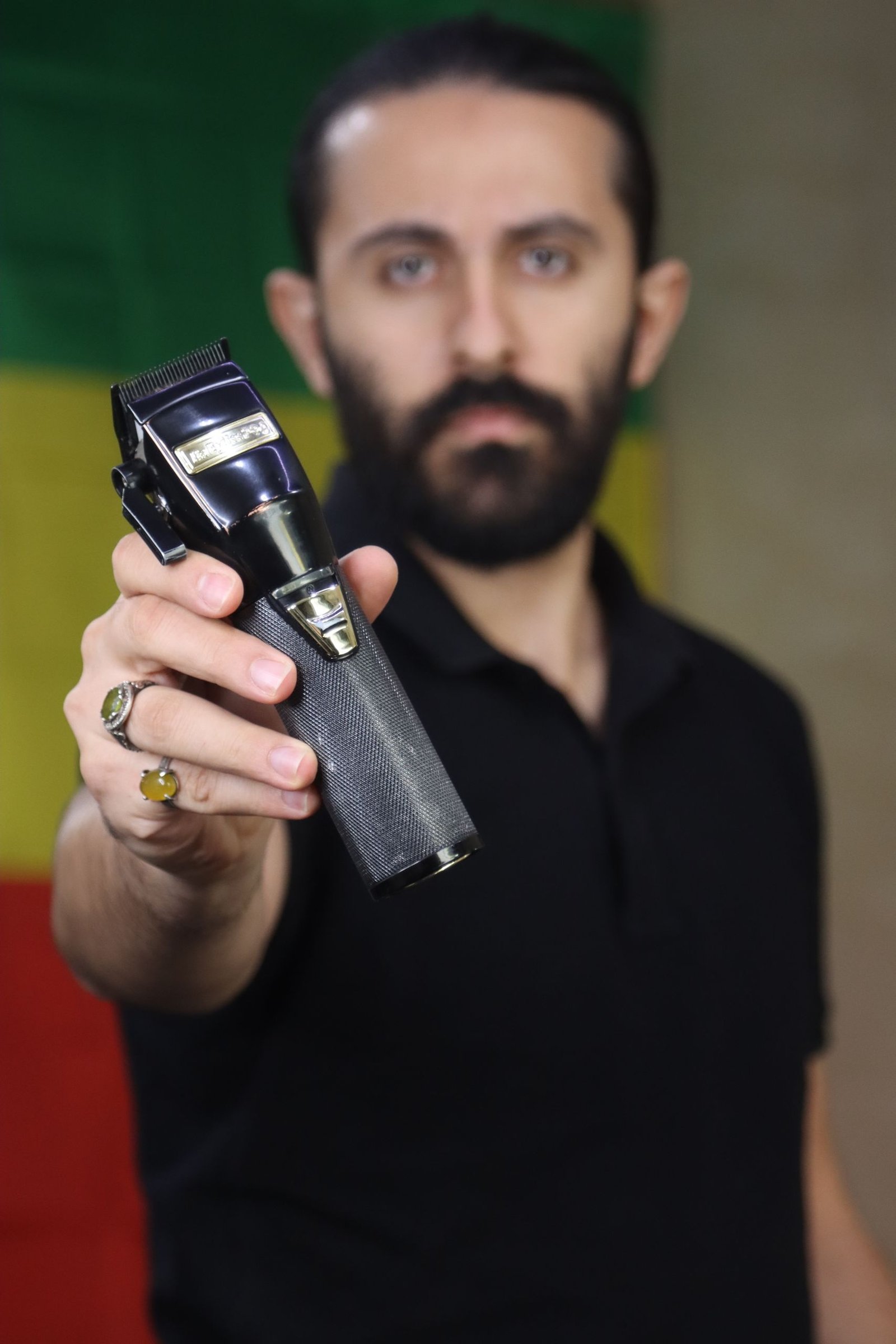
These two tools overlap enough to cause confusion, but they are engineered differently. Beard trimmers use thinner blades built for precision on shorter hair, typically adjusting in the 1mm to 5mm range, and their compact head is designed to work around the jaw, nose, and mouth without bulk getting in the way. Hair clippers carry wider blades and a bigger head built to move through larger sections of hair quickly, which makes them better suited to cutting hair on the scalp than shaping detail work on the face.
If you already own a hair clipper from our guide to choosing the best hair clippers, you may not need a separate trimmer for basic beard maintenance, since most full-size clippers include a beard guard. But for close edging along the cheek line, precise fading between beard lengths, or detailed neckline work, a dedicated trimmer with a narrower head and finer adjustment steps will consistently give a cleaner result than a clipper adapted for the job.
Guard Lengths Explained: What Each Number Actually Cuts
Guard numbers are not standardized across every brand, but most trimmers follow a similar scale, and understanding it prevents the common mistake of buying a trimmer and guessing at settings until something looks right.
| Guard Setting | Approximate Length | Typical Beard Style |
|---|---|---|
| No guard / bare blade | 0.5–1 mm | Skin-close stubble |
| #0.5 | 1.5 mm | Light stubble |
| #1 | 3 mm | Heavy stubble, five o’clock shadow |
| #2 | 6 mm | Short, neat beard |
| #3 | 9–10 mm | Short-to-medium beard |
| #4 | 13 mm | Medium beard |
| #5–#6 | 16–19 mm | Medium-to-full beard |
| #7–#8 | 22–25 mm | Long, full beard |
A trimmer with more guard positions gives you finer control over the transition between lengths, which matters most if you are fading a beard from short at the neck to fuller at the chin. Budget trimmers often only include five or six fixed guards, while mid-range and premium models increasingly use a turn dial offering thirty or more length settings in small increments, which makes it far easier to nail an exact look and keep it consistent as you maintain it week to week.
Motor and Blade Quality: What Separates a Good Trimmer From a Weak One
A trimmer that pulls hair instead of cutting it cleanly is almost always a blade problem, not a technique problem. Self-sharpening blades, a feature now common on mid-range and premium trimmers from brands like Philips Norelco, are designed to maintain their edge without regular oiling, which reduces the pulling and snagging that dull blades cause over time. Titanium or ceramic-coated blades resist corrosion and hold an edge longer than plain stainless steel, which matters if you shower with the trimmer or use it on damp hair.
Motor power matters more than most buyers expect. A trimmer with a weak motor bogs down in thick or coarse beard hair, forcing you to make several passes over the same area, which increases the chance of an uneven line. If your beard is naturally thick or wiry, prioritizing motor strength over extra attachments or accessories will make a bigger difference in the actual quality of the trim.
Wet or Dry: Does It Matter for Your Trimmer
Fully waterproof trimmers can be used in the shower on wet hair, rinsed clean under a tap afterward, and are generally easier to keep hygienic since you can wash away trapped hair and skin oils directly. Trimming wet hair also softens it slightly, which some men find more comfortable, though wet hair can clump and make length control marginally less precise than trimming dry. Dry trimming gives a clearer, more accurate view of the length you are cutting since the hair is not weighed down or stuck together, which is why most barbers trim dry for detail work even when the tool itself is waterproof. If hygiene and shower convenience matter more to you than fine-detail precision, a 100 percent waterproof trimmer is worth the small premium; if you mainly care about an exact line, dry trimming under good light will usually get you there faster.
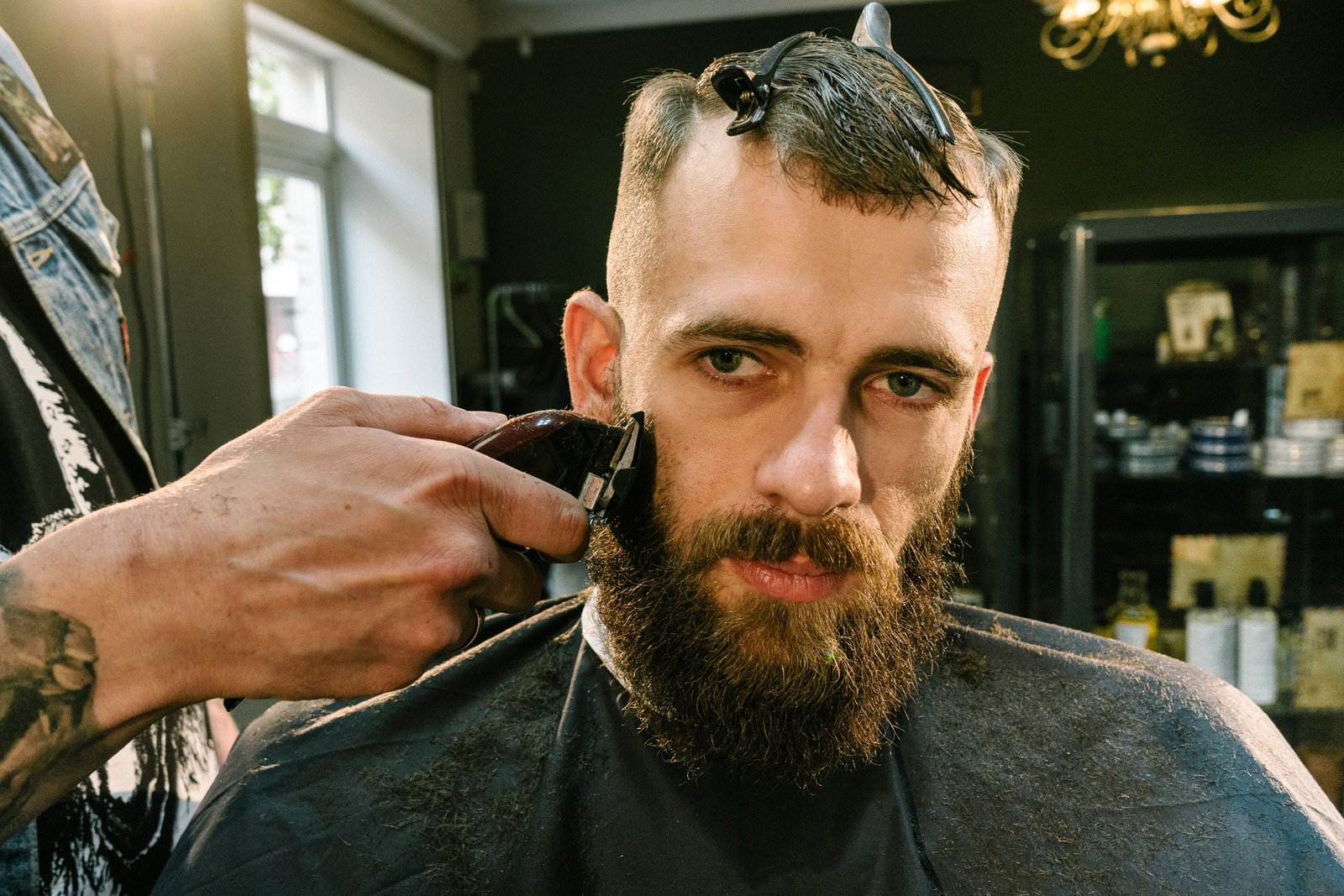
Preventing Razor Bumps and Irritation While Trimming
Ingrown hairs and razor bumps are not exclusive to shaving with a blade; they can also develop from trimming too close or against the direction of hair growth, especially for men with coarser or curlier beard hair. According to the American Academy of Dermatology, several habits reduce the risk meaningfully. Trimming in the direction your hair naturally grows, rather than against it, is one of the most effective changes you can make, since cutting against the grain is a leading cause of irritation. Softening the beard first, either by trimming right after a warm shower or holding a warm damp cloth against the area for a minute, makes the hair less likely to curl back into the skin after it’s cut. Keeping blades clean and replacing worn attachment combs also reduces the drag that leads to irritated skin, and men prone to ingrown hairs are often better served by a slightly longer guard setting rather than trimming as close to the skin as the trimmer allows.
If bumps or irritation persist despite these adjustments, that is a signal worth discussing with a board-certified dermatologist rather than continuing to trim closer in an attempt to fix it, since closer trimming is often what caused the problem in the first place.
Battery Life and Charging: What’s Realistic for Daily Use
Cordless beard trimmers typically run on rechargeable lithium-ion batteries, and modern mid-range models commonly offer well over an hour of continuous runtime on a full charge, which comfortably covers weeks of short daily touch-up sessions between charges. Many current models also include a quick-charge feature that provides enough power for a single trim in just a few minutes, which is a genuinely useful backup for mornings when the battery has run down unexpectedly. A corded-only trimmer is usually less expensive but ties you to an outlet, which is a reasonable trade-off if the trimmer stays in one bathroom permanently, but inconvenient if you travel or prefer trimming in the shower.
Buying a Beard Trimmer in the UAE: What to Check
The UAE runs on 220 to 240 volt mains power, standard across most of the region and Europe but different from the 110 to 120 volts used in North America. Most cordless trimmers charge through an internal battery and are dual-voltage by design, meaning the charging brick accepts both ranges automatically, but it is still worth checking the charger’s fine print or the box specifications for “100-240V” before ordering from an international retailer, particularly for corded models, which are more likely to be built for a single voltage range. Buying through a regional distributor or a UAE-based retailer also typically comes with a valid local warranty, which imported units bought directly from overseas retailers often do not include. Given the region’s heat and humidity for much of the year, a fully waterproof trimmer that can be rinsed clean easily is also a practical, not just a convenience, feature.
Common Mistakes to Avoid When Trimming a Beard
- Starting with too short a guard. It is far easier to go shorter after seeing the result than to fix a beard that’s already too short. Start one guard length longer than you think you want.
- Trimming against the grain for a “cleaner” look. This is one of the most common causes of irritation and ingrown hairs, particularly for coarser or curlier beard textures.
- Ignoring the blade after regular use. Even self-sharpening blades benefit from a quick brush-out of trapped hair after each use, since buildup around the blade edge reduces cutting performance over time.
- Using a dull or worn attachment comb. A cracked or loose guard comb changes the actual cutting length and can drag on skin, so replace comb attachments once they show visible wear.
- Skipping a trial run on a low-visibility area. Before trying a new, shorter guard setting across the whole beard, test it along the underside of the jaw first, where any unevenness is easy to correct before it’s visible.
What to Try Next
Once your beard length and shape are dialed in, our guides to hairstyles for older men with a beard, Viking beard styles are useful next steps for matching your beard length to a haircut that complements it.
Frequently Asked Questions
Can I Use a Beard Trimmer on the Hair on My Head?
Most beard trimmers can handle light head hair touch-ups, but their narrower head and lower power make them slower and less effective for full head cuts than a proper hair clipper. If you regularly cut head hair as well, a clipper built for that purpose will give a faster, more even result.
How Often Should I Replace My Beard Trimmer’s Blades or Attachments?
Self-sharpening blades on quality trimmers can last several years under normal home use before performance noticeably drops, though guard combs tend to wear out or crack sooner, especially with daily use, and should be replaced as soon as you notice uneven cutting or visible damage.
Is a More Expensive Beard Trimmer Actually Better?
Higher-priced trimmers typically offer stronger motors, more precise length adjustment through a greater number of guard settings or a turn dial, and better waterproofing, all of which matter more as your beard gets thicker or your styling needs get more detailed. For simple, short, uniform beard maintenance, a mid-range trimmer with a handful of well-spaced guards is often enough.
Should I Trim My Beard Wet or Dry?
Dry trimming gives the clearest view of the exact length being cut and is generally preferred for precise lines and edging. Wet trimming in the shower is more convenient and can feel more comfortable, particularly for sensitive skin, but is slightly less precise since wet hair can clump together.
What Guard Length Should I Start With if I’ve Never Trimmed My Own Beard?
Start at least one guard length longer than your target look, generally a #3 or #4 for a first attempt at a medium beard, then trim shorter gradually over the following days once you’re confident about the shape. This avoids the most common first-time mistake of cutting too short and having to wait weeks to correct it.