10 Short Beard Styles Every Man Should Know (With Face-Shape Tips)
A short beard sits in the range between a few days of stubble and a couple of months of growth, generally somewhere under two inches, and it covers a wider variety of looks than people expect. A 5 o’clock shadow, a corporate beard, and a short boxed beard are all technically “short,” but they require different growth timelines, different trimming tools, and suit different face shapes.
This guide breaks down the most popular short beard styles, roughly how long each takes to grow in, the maintenance each one demands, and which shapes tend to work best with different face types. If you’re deciding what tool to use for the trimming itself, see our guide to choosing the best beard trimmer for your beard length.
How “Short” Is Defined for Beards
Beard length is usually described by growth time rather than a precise measurement, since hair growth rates vary. As a rough guide:
- Stubble (2-5 days): Visible shadow with texture, not yet a full beard.
- Short stubble to corporate beard (1-3 weeks): Dense enough to shape but still close to the skin.
- Short rounded or boxed beard (1-3 months): Enough length to define a clear shape and edges, typically under two to three inches.
Anything beyond roughly three inches generally moves into medium or full beard territory, which comes with its own shaping and maintenance needs. For a fuller, longer style paired with mature hairstyling, see our hairstyles for older men with a beard.
10 Short Beard Styles to Consider
- 5 o’clock shadow. The lightest version of a beard, usually visible after two to five days without shaving. Low maintenance, no shaping required, works on almost any face shape.
- Short stubble. A step beyond the 5 o’clock shadow, kept at a consistent short length with a trimmer guard rather than left to grow naturally. Requires trimming every few days to maintain the even length.
- Corporate beard. A close-cropped, neatly maintained beard that stays professional-looking while still reading clearly as a beard. Needs regular trimming to keep the length even and the edges clean.
- Short boxed beard. A fuller beard with sharply defined edges along the cheek and neckline, usually achieved with tapered trimmer guards moving from a shorter setting on the sideburns to a slightly longer one on the chin. Takes two to three months to grow in fully and needs consistent edging to keep the boxed shape crisp.
- Short rounded beard. Similar growth time to a boxed beard but shaped with softer, rounded edges rather than sharp lines, which tends to suit angular face shapes.
- Van Dyke (short version). A trimmed mustache paired with a short, well-defined chin beard, with the cheeks kept clean-shaven. Requires more frequent edging around the mustache and jaw to maintain the separation.
- Circle beard. A short chin beard connected to a mustache in a continuous circular line, requiring careful edging to keep the connection clean and symmetrical.
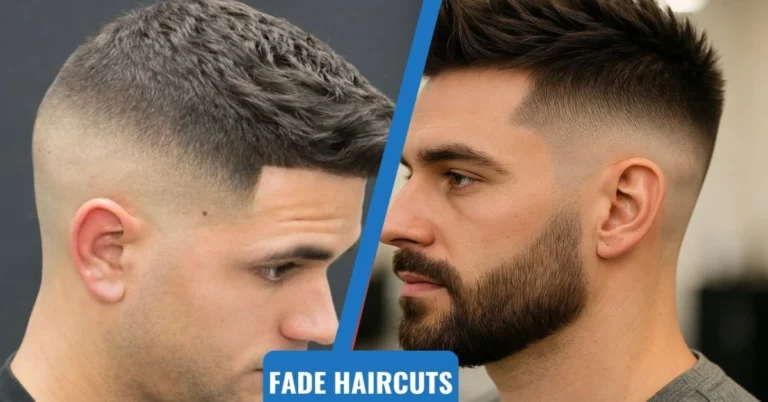
- Short faded beard. Combines a short beard on the chin and jaw with a gradual fade into skin at the sideburns, a technique borrowed from haircut fades. Needs a skilled trim (or practice with clipper guards) to blend the fade smoothly.
- Anchor beard (short version). A pointed chin beard connected to a thin jawline strap and mustache, forming an anchor-like shape. Works well for adding definition to a rounder jaw.
- Balbo (short version). A trimmed mustache with a floating chin beard that doesn’t connect to the sideburns, leaving the cheeks bare. Requires the most precise edging of the group since the disconnected sections need to stay symmetrical.
Matching a Short Beard to Your Face Shape
General styling guidance for pairing beard shape with face shape:
- Round faces: Angular styles like a short boxed beard or a Van Dyke add definition and visual length to the jaw, rather than styles that round out the face further.
- Square faces: A short rounded beard or circle beard softens strong, angular jaw corners without hiding them completely.
- Long or oval faces: Fuller width at the sides, like a short boxed or faded beard, balances a longer face shape by adding visual width rather than length.
- Oval faces: Generally considered the most versatile shape, since most short beard styles work well without needing to correct a specific feature.
Maintenance: What a Short Beard Actually Requires
Short beards look intentional or unintentional almost entirely based on maintenance consistency, since there’s little length to hide an uneven trim.
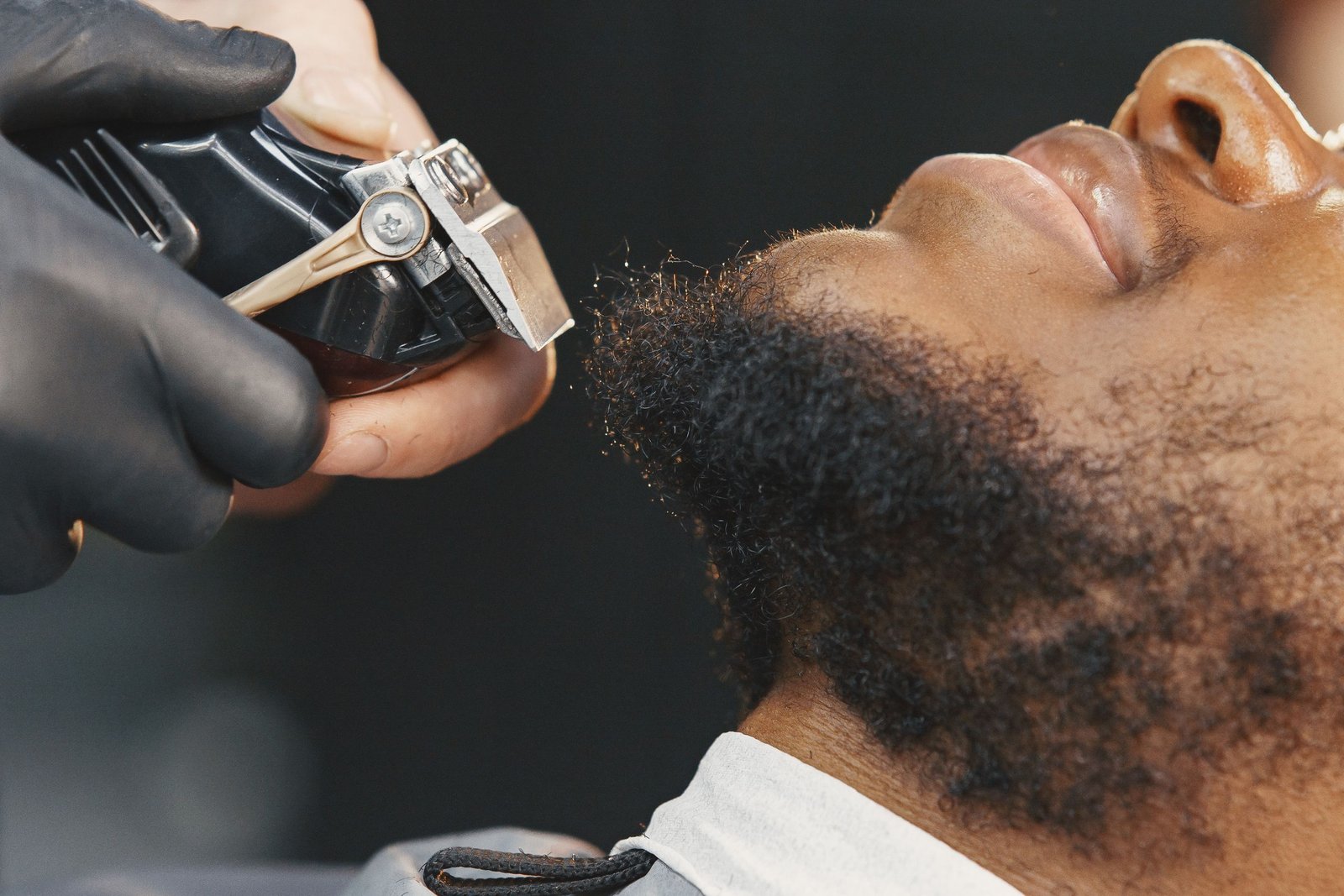
- A quality trimmer with multiple guard lengths is the main tool for keeping stubble and short beards at a consistent length across the face, and pairing it with clippers built for close work makes fading and precise edging easier; our hair clipper buying guide covers what to look for.
- Trimming frequency for short, shaped styles is typically every few days to once a week, since shorter hair shows unevenness faster than longer growth.
- Defining the neckline and cheek line makes the biggest visual difference on short styles. A basic rule many barbers use is keeping the neckline roughly at or just above the Adam’s apple, curving up naturally behind the jaw rather than cutting a hard straight line.
- Beard oil or balm helps manage the itchiness that often comes with the first two to four weeks of new growth, and keeps short beard hair from looking dry or wiry.
- A beard comb or small brush helps train the direction of growth, which matters even at short lengths since hair on the neck and cheeks often grows in different directions than the chin.
Common Mistakes With Short Beard Styles
- Skipping the neckline. A beard that looks sharp on the cheeks and chin but has an undefined, patchy neckline reads as unfinished rather than intentional.
- Trimming too infrequently. Short, shaped styles lose their crisp lines faster than longer beards. Waiting two or three weeks between trims usually means starting over rather than maintaining the shape.
- Ignoring patchiness during the growth phase. Some patchiness in the first few weeks is normal and often fills in with more time. Shaving it off at the first sign of unevenness can restart the growth cycle unnecessarily.
- Using the wrong guard length across different areas. A boxed or faded beard depends on graduated lengths (shorter on the sides, slightly longer at the chin); using one uniform guard length everywhere flattens that shaping effect.
Frequently Asked Questions
How long does it take to grow a short beard?
A basic stubble look is visible within two to five days. A fuller short beard style like a corporate beard or short boxed beard generally takes two to eight weeks, though individual growth rates vary based on genetics and hair density.
What’s the difference between stubble and a short beard?
Stubble usually refers to unshaped growth of a few days, while a short beard has typically been shaped with a trimmer, has defined edges along the cheek and neckline, and is maintained at a consistent length over time.
Does beard oil actually help short beards grow better?
Beard oil doesn’t speed up growth, since growth rate is determined by genetics and hormones, but it does help manage itchiness, dryness, and flyaway hairs during the growth process, which makes the beard easier to shape and more comfortable to maintain.
Can a patchy beard still work as a short style?
Yes. Shorter styles like stubble or a corporate beard tend to disguise natural patchiness better than longer, fuller styles, since there’s less length for gaps to become visible. Many patchy beards also fill in more evenly after several weeks of uninterrupted growth.
How often should a short beard be trimmed?
Most short, shaped styles need trimming every few days to once a week to maintain a consistent length and clean edges. Basic stubble requires less frequent upkeep, usually just enough shaving to keep the length from growing past the intended stubble stage.