Curly Hair Color Ideas: How to Choose a Shade That Works With Your Curls
Coloring curly hair works differently than coloring straight hair. Curls bend light in a way that changes how a color reads, they tend to be drier and more porous, and the same shade can look completely different on a tight coil than on a loose wave. This guide covers how to choose a curly hair color that flatters your curl pattern and skin tone, which coloring techniques hold up best on curls, and how to protect your curl pattern once the color is done.
Why Coloring Curly Hair Is Different From Coloring Straight Hair
Curly and coily hair tends to be naturally drier than straight hair, since the bends and twists in the hair shaft make it harder for natural oils to travel from the scalp down to the ends. That dryness affects how color behaves. Curly hair often absorbs color faster at the porous, damaged ends than at the denser roots, which can cause uneven results if a colorist does not adjust processing time along the length of the hair. It also means curly hair needs more moisture and protein support after coloring than straight hair typically does, to avoid the color making curls feel brittle or look frizzy instead of defined.
How to Choose a Curly Hair Color for Your Skin Tone
As a general starting point, warm undertones in your skin (gold, peachy, or olive) tend to pair well with warm hair colors such as caramel, honey, copper, or chestnut brown, while cool undertones (pink or blue undertones, or skin that burns easily in the sun) often pair better with cooler shades such as ash brown, cool black, or blue-toned burgundy. This is a general guide rather than a strict rule, and a skilled colorist can adapt almost any shade to suit your coloring by adjusting the underlying tone.
Beyond skin tone, consider how much upkeep you want. A color close to your natural shade, or one applied only to the ends or in face-framing pieces, needs far less frequent touch-ups than a dramatic all-over color change, which matters more for curly hair since root touch-ups on curls can be trickier to blend seamlessly than on straight hair. If you are not sure what your natural curl pattern actually is, a hair texture guide can help you identify it before you sit down with a colorist, since curl pattern affects how any color will look once it dries and springs back into shape.
Curly Hair Color Ideas to Consider
These are common color directions that tend to work well with curl patterns, from subtle to bold. Bring reference photos of your own curl type to a consultation, since a color that reads one way on loose waves can look quite different on tight coils.
- Chocolate brown: A rich, natural-looking brown that adds depth without a dramatic change, and grows out gracefully since it is close to many natural curly hair shades.
- Caramel balayage: Warm caramel tones painted through the mid-lengths and ends, which catches the light beautifully as curls move and typically needs less frequent touch-ups than an all-over color.
- Chestnut: A warm reddish-brown that flatters a wide range of skin tones and works well on both loose curls and tighter coils.
- Honey blonde highlights: Lighter pieces woven through darker curly hair, which adds dimension and movement without requiring a full bleach process.
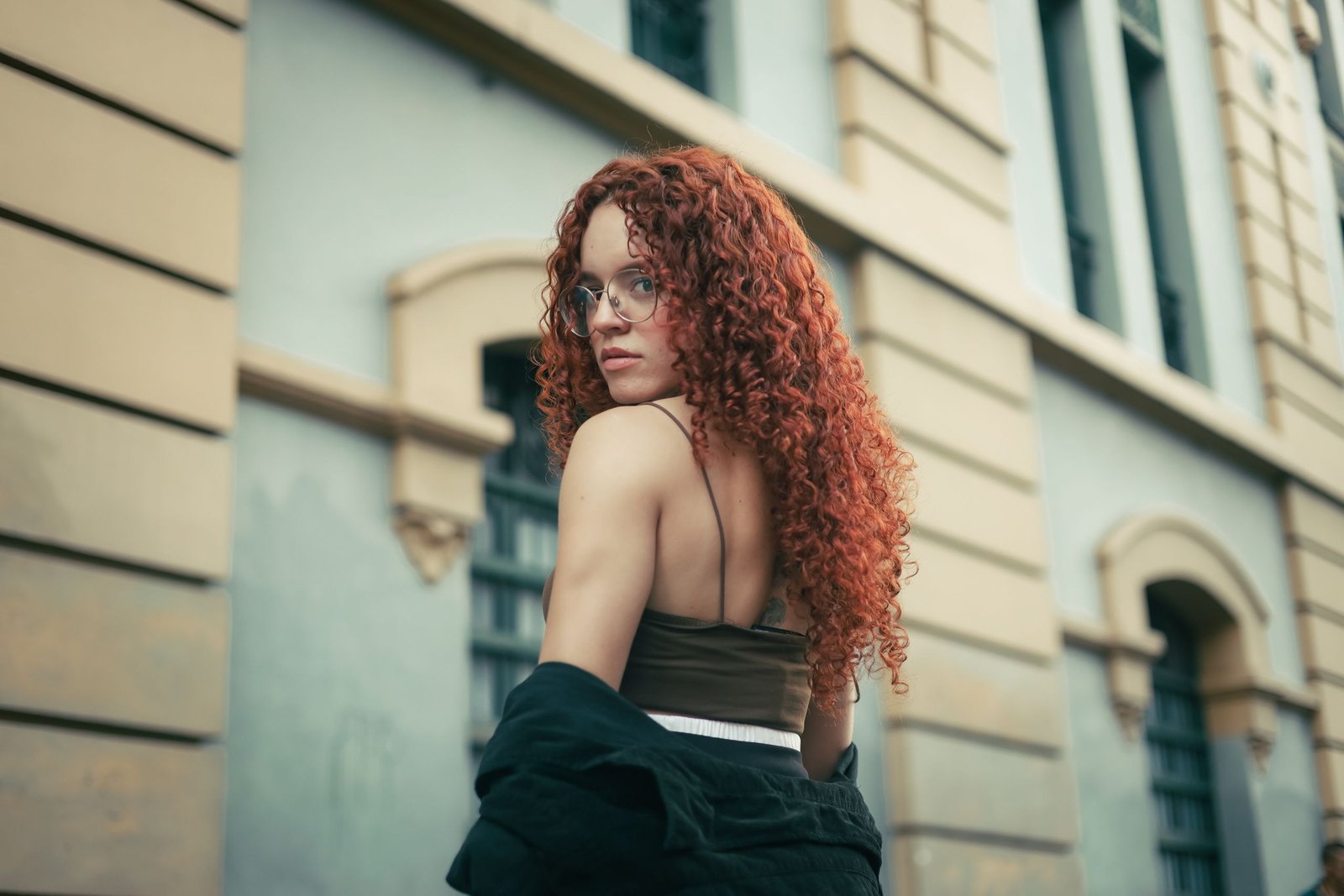
- Copper and auburn: Bold, warm red tones that stand out beautifully against curl texture, though they tend to fade faster than brown tones and need more frequent color refreshing.
- Deep jet black: A high-contrast option that makes curl definition and shine especially visible, popular for very tight coils and voluminous curl patterns.
- Ash brown: A cooler-toned brown that works well for those with cool undertones who want to avoid warm or brassy tones showing through.
- Burgundy or wine tones: Deep red-purple shades that show up richly on dark curly hair, especially noticeable in direct sunlight.
- Face-framing highlights: Lighter color concentrated only around the face, a lower-maintenance way to brighten your look without committing to an all-over change.
- Subtle balayage or ombre: A soft gradient from darker roots to lighter ends, which grows out naturally and is one of the more forgiving techniques for curls between salon visits.
- Blended gray: For curly hair that is naturally going gray, strategic lowlights or a gentle gloss can blend the transition rather than covering it entirely.
- A money piece or peekaboo color: A small, bold section of color, often placed near the face, for anyone who wants to experiment with a brighter or more unconventional shade without a full commitment.
Coloring Techniques That Work Well With Curls
| Technique | How It Works | Best For |
|---|---|---|
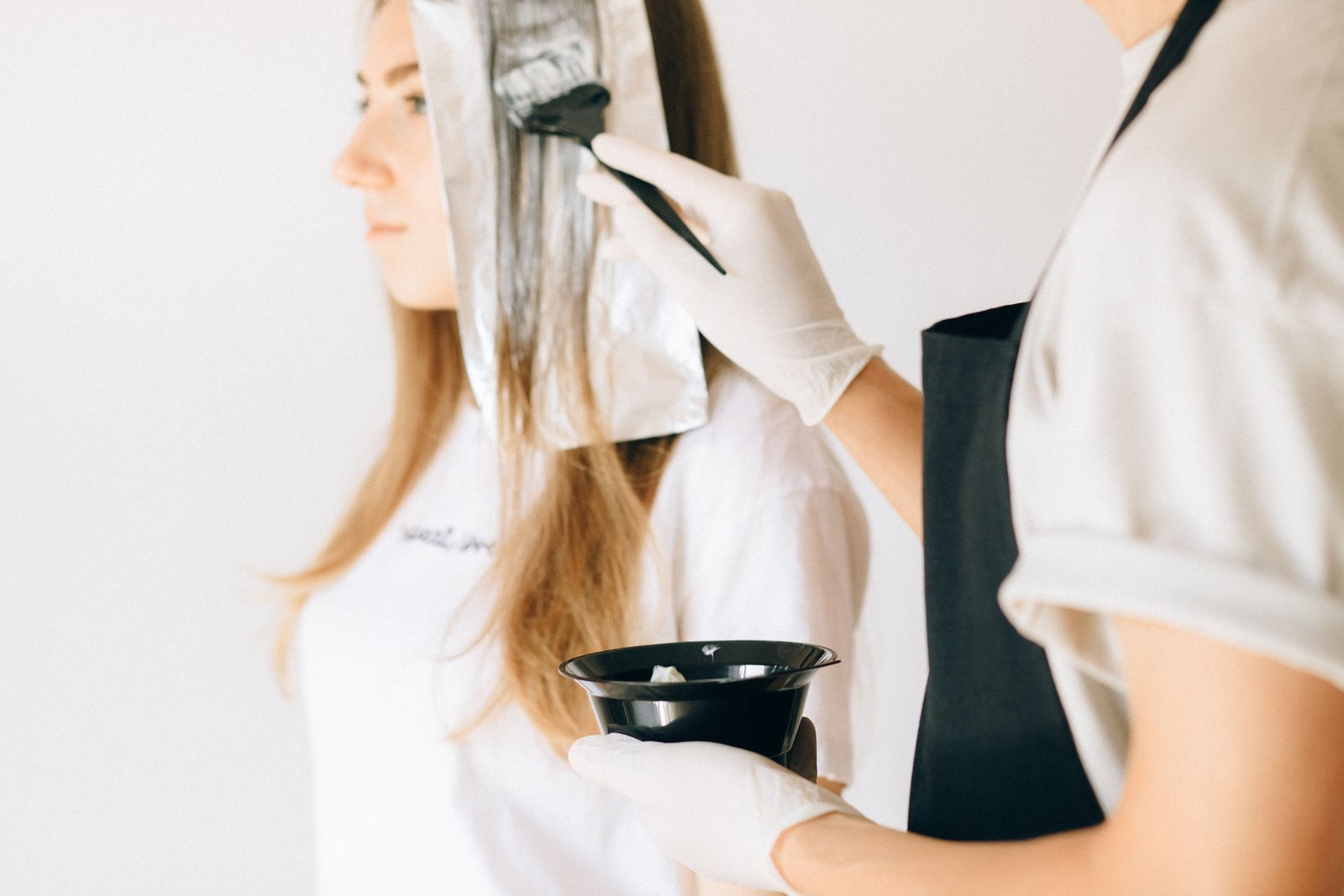
| Balayage | Color hand-painted onto the surface of sections, following the natural fall of the curls | Low-maintenance, natural-looking dimension with fewer root touch-ups |
| Foil highlights | Sections of hair are lightened using foils for more precise, consistent placement | Brighter, more uniform highlights and a controlled color pattern |
| Full color or single-process | One shade is applied evenly from root to end | A complete, dramatic color change or full gray coverage |
| Gloss or toner | A semi-permanent treatment that adds shine and adjusts tone without lifting the hair | Refreshing color between full appointments, reducing brassiness |
Balayage and other hand-painted techniques are frequently recommended for curly hair because they follow the way curls naturally twist and clump together, which tends to make the color grow out more evenly than a technique that colors hair in flat, straight sections. If you are choosing between highlighting methods, this guide to choosing a highlighting technique breaks down the differences in more depth.
How to Protect Your Curls During and After Coloring
- Ask your colorist about the lowest lift needed to achieve your desired shade. Lifting hair several levels lighter, especially in one session, is the most damaging option for curl pattern and elasticity.
- Deep condition regularly in the weeks after coloring, since chemical processing raises the hair cuticle and increases porosity, which allows moisture to escape more easily.
- Add a protein treatment periodically if your curls start to feel limp, stringy, or lose their spring, which can be a sign the hair needs more structural support after coloring, not just more moisture.
- Reduce heat styling where possible in the weeks following a color service, since heat combined with recently processed hair increases the risk of dryness and breakage.
- Use a sulfate-free shampoo and a color-safe formula, since strong detergents strip color faster and can leave curls feeling drier than usual.
How Often You Need to Color Curly Hair
Root touch-ups are typically needed every four to eight weeks for a color that is noticeably different from your natural curl color, though many curly-hair-friendly techniques such as balayage are designed specifically to stretch that timeline to three or four months. A gloss or toner refresh, which mainly restores shine and adjusts tone rather than lifting the hair, can often be done more frequently with less cumulative damage than a full color service.
Common Mistakes to Avoid
| Mistake | Why It Causes Problems |
|---|---|
| Choosing a colorist with no curly hair experience | Curl patterns process color differently than straight hair, and uneven results are more likely without that experience |
| Skipping a strand test before a dramatic change | Curly hair can react unpredictably to lightening, especially if it has been previously colored or heat styled |
| Coloring hair that is already damaged or overly dry | Compromised curls are more prone to breakage and uneven color absorption |
| Washing hair too soon after coloring | Freshly colored hair needs time to seal the cuticle, and early washing can cause the color to fade faster |
| Skipping deep conditioning and protein treatments afterward | Colored curls need extra support to maintain elasticity and definition |
Frequently Asked Questions
Does hair dye make curls looser or less defined?
It can, especially with high-lift color or bleach, since the chemical process can weaken the hair structure that holds a curl pattern together. Lower-lift color, gloss treatments, and techniques like balayage that avoid processing the entire strand tend to have less impact on curl definition than a dramatic all-over lightening service.
Is balayage better than foil highlights for curly hair?
Neither is universally better. Balayage is often recommended for curly hair because it follows the natural movement of curls and typically requires less frequent touch-ups, but foil highlights can achieve a brighter, more uniform result when that is the look you want. The right choice depends on the specific finished look you are after and how much maintenance you are willing to keep up with.
How do you keep colored curly hair from getting dry?
Deep condition regularly, add protein treatments when curls start to feel limp or overly soft, reduce how often you use heat tools, and switch to a sulfate-free, color-safe shampoo. Freshly colored curls generally need more moisture support than uncolored curls of the same texture.
Can you safely color curly hair at home?
Minor changes, such as a semi-permanent gloss close to your natural shade, are generally manageable at home. Significant lightening, an all-over color change, or techniques like balayage are harder to execute evenly on curly hair without professional experience, and a poor at-home result on curly hair can be more difficult and more damaging to correct than the same mistake on straight hair.