How to Get Coffee Stains Out of Carpet
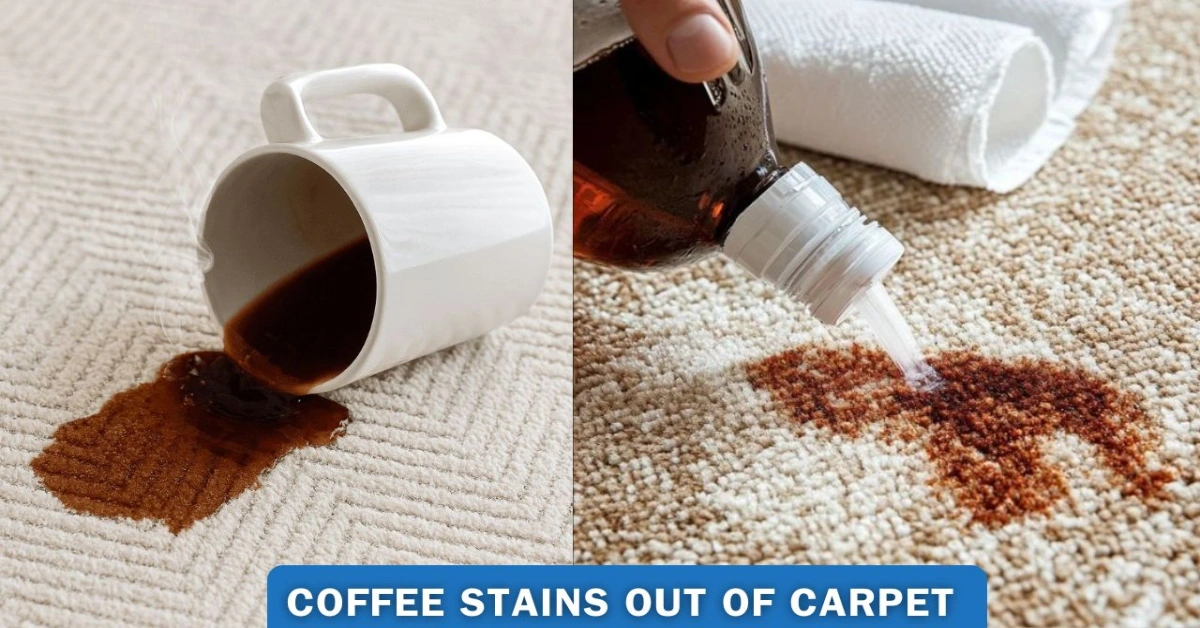
I spilled coffee on my carpet last week. Full mug, dark roast, on a white-ish carpet. Not a good morning. My first instinct was to just stand there staring at it, wondering if it was already ruined. It wasn’t. Once I actually got moving and dealt with it properly, it came out completely clean — no trace left. Here’s exactly what worked, what didn’t, and what I wish someone had told me before I started.
Quick answer: a fresh coffee spill almost always comes out completely if you blot (never rub) and treat it within the first few minutes. Old, dried stains take more effort — usually two rounds of treatment — but they come out too. The one thing that makes a stain genuinely permanent is letting it dry untreated or cleaning it the wrong way.
Are Coffee Stains Actually Permanent?
No, they’re really not. I used to assume that once coffee soaked in, the carpet was done for. That’s not true. Fresh stains aren’t difficult to fully remove. Old, dried ones take more effort, but if you do it the right way, they come out too.
Cleaning A Fresh Spill: Do This Right Now
If the spill just happened, stop reading after this paragraph and go grab a cloth — every minute matters here. You’ll need paper towels or a white cloth, cold water, and a stain remover (any brand).
Step 1: Blot It — Don’t Rub It
Press a white cloth or paper towel over the stain and press down, then lift. Repeat. Don’t rub — rubbing pushes coffee deeper into the carpet and spreads it sideways, turning a small stain into a bigger one. Keep blotting until the cloth stops picking up liquid, swapping to a dry section or fresh towel as needed.
Step 2: Add A Little Cold Water
Once you’ve soaked up most of the coffee, pour a small amount of cold water onto the stain — not enough to flood it, just enough to dilute what’s left in the fibers. Blot again. Repeat two or three times; you’ll see the stain lighten with each pass.
Step 3: Use A Stain Remover
Apply a light amount of stain spray — any brand works. Don’t drench the carpet; too much product leaves a sticky residue that actually attracts more dirt afterward. Spray, wait about a minute, then blot and rinse with a little water. Blot again until it’s gone.
Step 4: Actually Dry It Properly
This step gets skipped constantly, and it’s the reason a “cleaned” carpet smells musty a week later. Open a window or point a fan at the area, and press with dry paper towels to pull out excess moisture. Avoid walking on it while damp — that pushes moisture back down into the pad. Once it’s fully dry, vacuum and it’ll feel completely normal again.
What About Old, Dried Stains?
I was genuinely surprised by this one. I had a coffee stain sitting on my carpet for about two weeks and had basically given up on it. The steps below actually got it out — not perfectly on the first try, but gone after two rounds.
You’ll need clean cloths, dish soap, cold water, a carpet stain remover, and ammonia if the stain is stubborn.
Wet It First
Soap doesn’t work well on a completely dry stain. Apply cold water first and let it sit a few minutes to soften the dried coffee, then blot with a clean cloth. Sometimes this alone lightens the stain enough that the rest is easy; other times you’ll need the next step too.
Dish Soap Mix For Wool Carpets
If your carpet is wool or wool-blend, hand-treat it rather than using a stronger chemical mix. Mix about 3 drops of mild dish soap into a cup of water, soak a cloth in it, and gently work the stain from the edges toward the center — this stops the stain from spreading further out. Wipe with a clean, damp cloth after about 5 minutes.
Ammonia For Regular Carpets
On a non-wool carpet, diluted ammonia is genuinely effective on old stains. Mix one tablespoon into a cup of water. Patch-test it first in a hidden corner and wait 20 minutes — if the carpet looks fine there, you’re clear to use it on the visible stain. Rub gently onto the stain, leave a few minutes, then alternate blotting with a damp cloth and a dry one until the ammonia is fully rinsed out. Finish with a dry cloth to soak up whatever’s left.
Coffee With Milk Or Cream: A Slightly Different Problem
A milky coffee stain looks different and smells worse if it isn’t fully cleaned — that sour-milk smell is the real problem here. The process is largely the same (blot, cold water, blot again), but use an enzyme-based stain remover specifically for this one. Enzymatic cleaners break down proteins, and milk is largely protein, so they outperform a standard stain spray here and also address the bacteria causing the smell. Dry it completely afterward — the smell lingers noticeably longer in damp carpet than a normal coffee stain does.
No Stain Remover On Hand? Use These Instead
White Vinegar And Dish Soap
My go-to when I don’t have a proper product handy: mix a tablespoon of dish soap, a tablespoon of white vinegar, and two cups of lukewarm water in a spray bottle. Spray onto the stain, wait a few minutes, then blot up. Vinegar breaks down coffee’s pigments and neutralizes odor at the same time. The vinegar smell fades completely once the carpet dries.
Club Soda
Plain club soda poured directly onto a fresh stain works well — the carbonation helps lift coffee out of the fibers. Let it fizz for a moment, then blot up. Use plain soda only; flavored or colored versions just add a new stain on top of the old one.
Lemon Juice And Water
Mix the juice of a quarter lemon with two cups of lukewarm water in a spray bottle. This is a gentle, natural option — but only for light-colored or white carpets. Lemon juice can bleach darker carpet fibers, which is a worse problem than the coffee stain you started with.
If The Smell Won’t Go Away
Sometimes the stain lifts but the coffee smell lingers. Vacuum the area to clear loose debris, then sprinkle baking soda generously over the whole spot and leave it for a few hours, or ideally overnight. Baking soda genuinely neutralizes odor rather than just masking it. Vacuum thoroughly once it’s done working, and the smell should be gone.
What About Hydrogen Peroxide?
It works, but check your carpet’s care label first or test in a hidden spot — some dyes react badly to peroxide and can lighten unevenly. If it’s safe for your carpet, mix half a teaspoon of dish soap into a cup of hydrogen peroxide, apply with a cloth, and blot continuously, switching to a clean section of cloth as it saturates. Dry fully once the stain lifts.
Mistakes I’ve Made So You Don’t Have To
- Rubbing the stain. Did it once, spread the coffee across half the carpet. Never again — blot only.
- Using hot water. Feels logical, but it actually sets the stain into the fibers instead of lifting it. Cold or lukewarm water only.
- Using a colored cloth. Dye from a red or blue towel can transfer onto the carpet, adding a second problem on top of the first. White cloths only.
- Drowning the carpet in cleaner. More product doesn’t mean a better result — it leaves sticky residue that attracts more dirt afterward. Less is more here.
- Not drying it properly. This is what leads to mold, mildew, and a lingering damp smell days later. Always dry the area fully.
When To Call A Professional
Sometimes a stain is beyond what home cleaning can fix. If it keeps coming back after repeated cleaning, if there’s a smell that won’t shift, if the spill covered a large area, or if the carpet itself is old and fragile, call a professional. They have equipment that reaches deeper into the carpet than anything available at home — there’s no shame in it. For odor specifically that outlasts the stain, our guide on removing carpet odors naturally covers that in more depth, and our carpet steam cleaning guide is worth reading before you book a professional, so you know what to expect.
Frequently Asked Questions
Can an old, set-in coffee stain really be fully removed?
Yes, in most cases — it usually just takes two rounds of treatment instead of one. Wetting the dried stain first to soften it before applying soap or ammonia is the step that makes the difference.
Is hot or cold water better for a coffee stain?
Cold or lukewarm, always. Hot water sets the stain into the carpet fibers rather than helping lift it out.
What’s the fastest household fix if I don’t have a stain remover?
A mix of one tablespoon dish soap, one tablespoon white vinegar, and two cups of lukewarm water in a spray bottle — it’s genuinely effective and most people already have all three ingredients at home.
Why does my carpet still smell like coffee after the stain is gone?
Usually because the area wasn’t dried completely, or the stain included milk and the protein-based smell wasn’t fully broken down. A generous baking soda treatment left for a few hours (or overnight) resolves most lingering smell once the visible stain is gone.
Final Thoughts
Act fast, blot rather than rub, use cold water to dilute, follow with a stain remover or a vinegar-and-dish-soap mix, use baking soda for any lingering smell, and dry the area completely at the end. That’s genuinely the whole process. Once you’ve done it a couple of times it becomes second nature — and keeping a small spray bottle of the vinegar-and-dish-soap mix ready at home means the next spill is a five-minute job instead of a crisis.