14 Iconic ’90s Hairstyles for Women That Are Trending Again
Ask any hairstylist what’s driving requests in the salon chair right now and ’90s hair comes up fast. The layered cuts, crimping irons, and clip-in accessories that defined the decade are back in heavy rotation, from red carpet appearances to everyday styling routines, and they’re being worn with a modern twist rather than a straight copy of the original.
This guide covers 14 of the most recognizable ’90s hairstyles for women, what actually defines each one, and how to adapt it for your hair type, face shape, and daily routine today, without the heat damage the original styles were often known for. If you are specifically after braided and natural-texture looks from the same era, see our separate guide to iconic ’90s hairstyles for Black women.
Why ’90s Hairstyles Are Trending Again
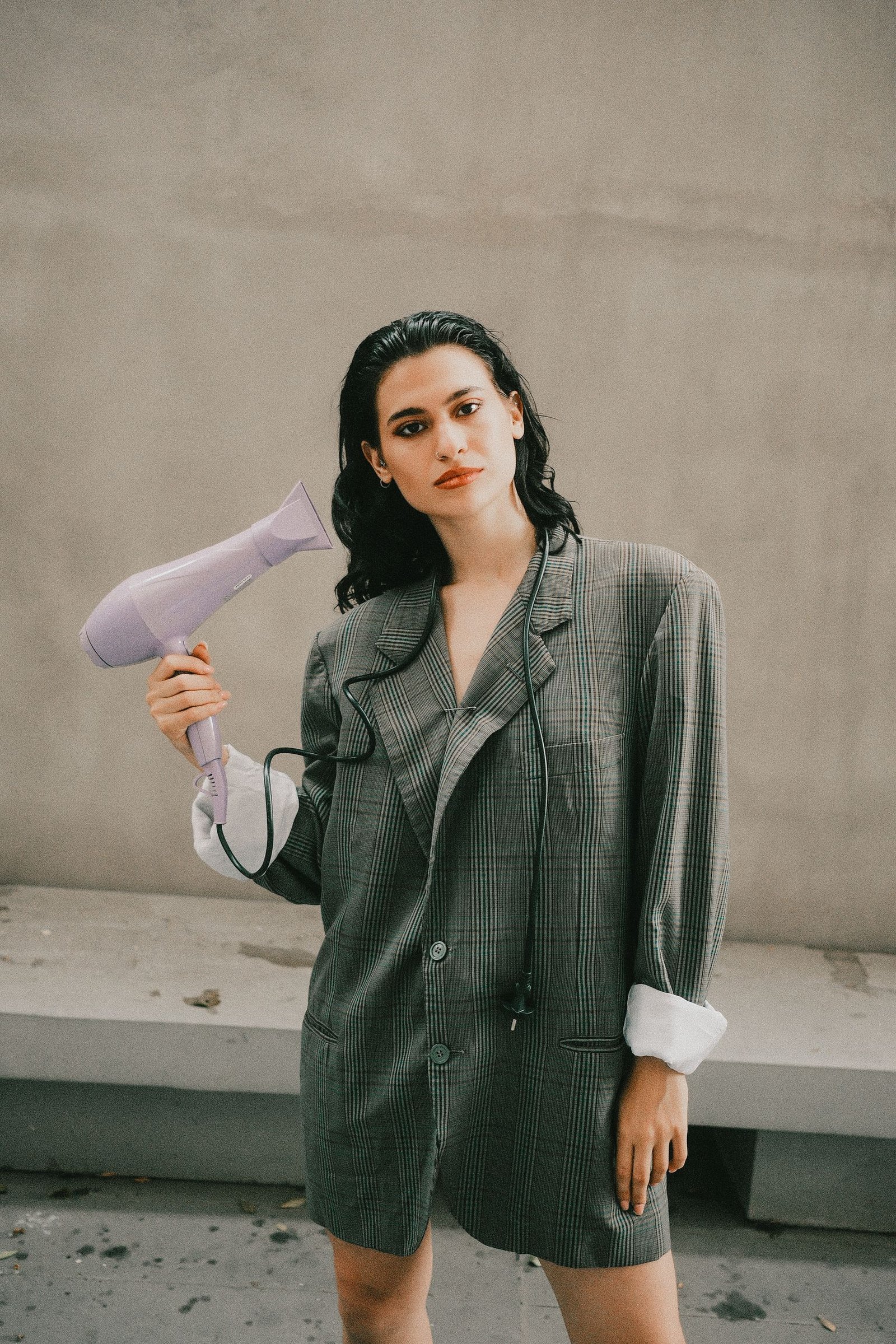
Fashion and beauty trends move in roughly 20 to 30 year cycles, and the ’90s revival has been building steadily since the early 2020s alongside the return of low-rise denim, slip dresses, and minimalist accessories. Hairstyling has followed the same pattern. Runway shows and awards season red carpets have brought back sleek supermodel-era updos and face-framing layers, and that visibility filters down quickly through social media into everyday styling choices.
There’s also a practical reason these styles keep resurfacing: many of them are genuinely low-effort compared to more recent trends built around heavy layering, balayage upkeep, or daily heat styling. A slicked-back ponytail, a claw clip, or a set of butterfly clips takes minutes and works on hair that hasn’t been washed that day, which is part of why they never fully disappeared in the first place.
14 Iconic ’90s Hairstyles for Women, and How They Look Today
Face-Framing Cuts and Layers
1. The Rachel-Inspired Layered Cut. Originally created by hairstylist Chris McMillan for Jennifer Aniston’s role on Friends, this shoulder-length cut is built on heavy, face-framing layers that add movement without needing much styling. The original version was famously high-maintenance to keep razor-sharp, so most stylists today soften the layers and blend them for a look that grows out more gracefully and works on wavy or straight hair without daily blow-drying.
2. Curtain Bangs (Curtained Fringe). Long, center-parted bangs that sweep outward on either side of the face like a curtain. This one barely needed a comeback because it never fully left, but the ’90s version leaned messier and less structured than the polished curtain bangs popular over the last few years. It works well on most face shapes because the length can be adjusted to sit anywhere from cheekbone to chin.
3. The Flipped-Out Bob. A chin-to-shoulder length bob cut with layers that curve outward at the ends rather than tucking under. The flipped ends give the cut a playful, slightly retro finish, and it’s one of the easier ’90s looks to recreate with a round brush and blow dryer, or a flat iron used to curl the ends outward instead of straightening them flat.
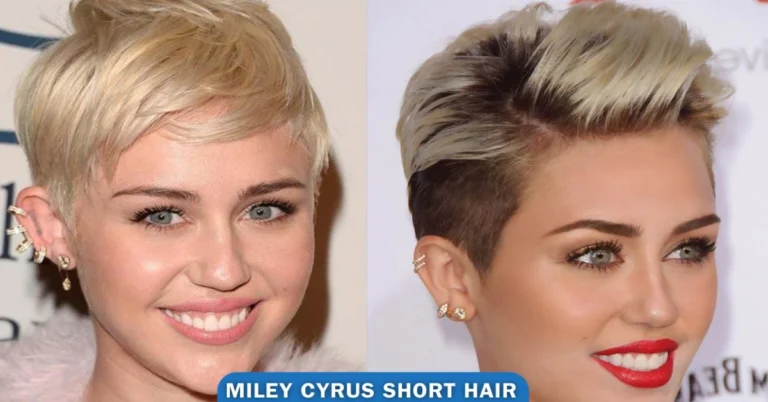
4. The Piecey Pixie Cut. A short, textured pixie with visible separation between pieces rather than a smooth, uniform finish. The ’90s version favored a slightly grown-out, choppy texture over a precise, salon-fresh shape. A small amount of texturizing paste or wax worked through damp or dry hair recreates the effect without needing a full restyle every morning.
Textured, Curled, and Crimped Styles
5. Crimped Hair. Tight, sawtooth-shaped waves created with a crimping iron, or the no-heat method of braiding damp hair overnight and unraveling it in the morning. The 2026 take on crimping tends to use a wider-plate iron on select sections rather than the entire head, which reads as texture rather than a full head of uniform zigzags. If you are shopping for a tool that can also handle everyday smoothing, our guide to choosing the best hair straightener for your hair type covers plate material and heat settings in more detail.
6. Big, Bouncy Curls. Full, voluminous curls set with large hot rollers or a large-barrel curling iron, then brushed out for volume rather than left as tight, defined ringlets. This style relies heavily on a strong volumizing product at the root and generally holds better on hair that’s had at least a light perm, texturizing treatment, or natural wave pattern to build from. If your natural hair does not have enough length or density to hold the volume, our beginner’s guide to hair extensions explains which types blend best for this kind of voluminous look.
7. Feathered Layers. Soft, outward-curving layers, usually concentrated around the face and crown, that create a lifted, wing-like shape. A large ceramic round brush is the key tool here; the layers are dried while curving the brush outward and slightly upward at the ends, then set with a light-hold spray so the shape doesn’t collapse by midday. This is essentially the same round-brush technique used in a full at-home blowout, just concentrated on the face-framing sections.
Sleek Updos and Ponytails
8. The Slicked-Back High Ponytail. Hair smoothed completely flat against the scalp with gel or a strong smoothing cream, then gathered into a high, tight ponytail. Modern versions usually wrap a small section of hair around the base to hide the elastic, and position the ponytail at eyebrow-arch height rather than directly at the crown for a slightly softer angle.
9. Space Buns (Mini Buns). Hair sectioned into two even parts and twisted or wrapped into a small bun on either side of the head. They can be styled sleek and polished for a more formal look, or left loose and slightly undone for an everyday version. This style works on nearly any hair length past the shoulders and on most textures, including natural curls.
10. Half-Up, Half-Down with Face-Framing Pieces. The top section of hair is gathered and secured, usually with a clip, while the rest falls loose, with a few shorter pieces left out at the front to frame the face. It’s one of the most practical styles on this list because it takes under a minute and works whether the rest of your hair is straight, curled, or air-dried.
Accessory-Driven Looks
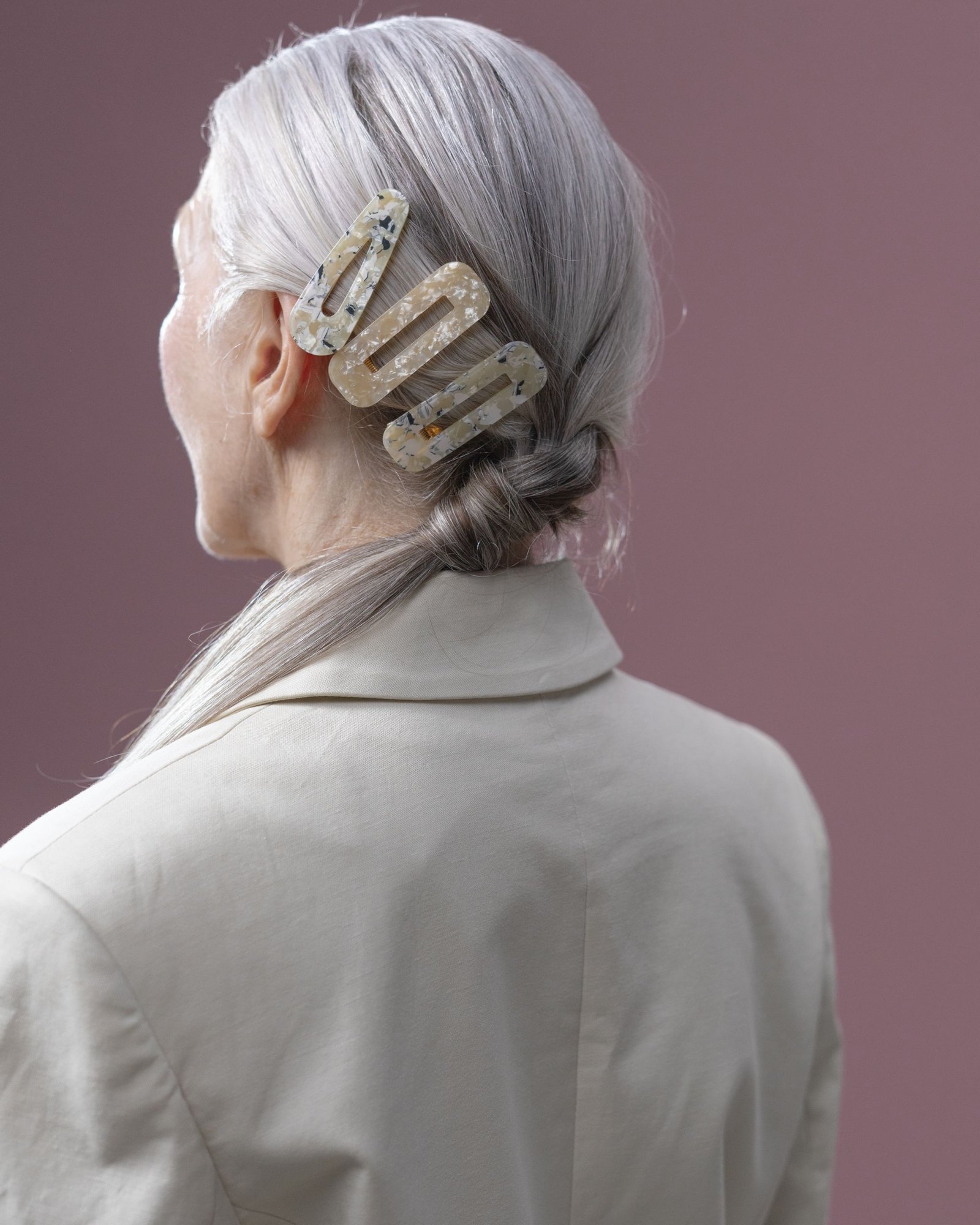
11. Butterfly Clips. Small, wing-shaped clips, often used in sets of several pinned around the crown or hairline in a half-up style. Current versions come in minimalist metal finishes and translucent acrylic rather than the bright plastic of the original, which makes the look easier to wear outside of a strictly nostalgic context.
12. Claw Clips and Banana Clips. Large clips with interlocking teeth used to gather and secure hair, either in a loose twist at the crown or a full ponytail at the nape. These remain one of the most practical accessories on this list for thick or long hair, and modern versions are available in more durable materials that grip better than the originals.
13. Scrunchie Pigtails and Ponytails. Fabric-covered elastics used to tie hair into a single ponytail or two even pigtails. Silk and satin scrunchies have largely replaced the original cotton and velvet versions because the smoother fabric causes less friction and breakage, particularly on fine, color-treated, or textured hair that snags easily on regular elastics. If you have noticed more strands coming out than usual, it is worth reading how to tell the difference between normal shedding and actual thinning before assuming an accessory is to blame.
14. Bandana-Wrapped Hair. A folded scarf or bandana tied at the back of the head or under a section of hair, often paired with face-framing pieces left out at the front. It doubles as a practical way to manage second or third-day hair while still looking styled, and works with almost any hair length from a bob to waist-length hair.
How to Recreate These Styles Without Damaging Modern Hair
Most ’90s styling relied on hot tools and strong-hold products used daily, which is part of why so many women from that era dealt with significant heat and chemical damage by their late twenties. A few adjustments make these looks far gentler on hair today.
Always apply a heat protectant spray before using a crimping iron, curling iron, or flat iron, and choose ceramic or tourmaline plates over older metal ones, since they distribute heat more evenly and reduce hot spots that cause breakage. Keep crimping and curling irons on a moderate setting, generally between 160 and 190 degrees Celsius depending on hair thickness, rather than maxing out the temperature to get faster results.
For slicked-back styles, a lightweight gel or smoothing cream applied to damp hair controls flyaways without the flaking that heavier ’90s-era gels were known for. And for any style secured with an elastic or clip, satin or silk-lined accessories put far less tension on the hair shaft than plain rubber or plastic, which matters most for anyone prone to breakage around the hairline.
Choosing the Right ’90s Style for Your Hair and Face Shape
Not every look on this list suits every hair type or face shape equally well. This quick reference makes it easier to narrow down where to start.
| Hairstyle | Works Best On | Face Shapes It Flatters Most |
|---|---|---|
| Rachel-inspired layers | Straight to wavy, medium to thick hair | Round, oval, square |
| Curtain bangs | Most textures, best with some natural movement | Round, heart, long |
| Flipped-out bob | Straight or lightly wavy, fine to medium hair | Oval, square, heart |
| Piecey pixie | Straight to wavy, fine to medium hair | Oval, heart, diamond |
| Crimped hair | Straight to wavy hair holds crimps longest | Works on all shapes |
| Big bouncy curls | Wavy, curly, or permed hair | Oval, square, long |
| Slicked-back ponytail | Straight to wavy hair, less effective on very curly hair without extra product | Oval, heart, diamond |
| Space buns | All textures, best from shoulder length up | Round, oval, heart |
| Claw clip updos | Thick, long, or heavy hair | Works on all shapes |
Common Mistakes to Avoid When Trying ’90s Hairstyles
The biggest mistake is copying a style exactly as it looked in old photos rather than adapting it to modern hair health standards. Over-teasing at the crown, using an old uncoated crimping iron at full heat, or relying on stiff-hold gel and hairspray every single day all cause the kind of cumulative damage that made these styles notorious in the first place.
A second common mistake is picking a style based purely on the trend rather than your actual hair length and density. Space buns and slicked-back ponytails need enough length and layer-free ends to look intentional rather than wispy, while very fine hair often can’t hold a crimped texture through a full day without a strong-hold texture spray applied before crimping, not just after.
Finally, skipping heat protection is the most avoidable damage risk on this entire list. A single pass with a flat iron or crimper on unprotected hair does measurably more damage than repeated passes with a protectant applied first, so this step is worth the extra 30 seconds regardless of which style you’re recreating.
Frequently Asked Questions
Which ’90s hairstyle is easiest to recreate at home?
The half-up, half-down style with face-framing pieces and a claw clip updo are the two fastest options, both taking well under a minute with no heat tools required.
Do ’90s hairstyles work on curly or textured hair?
Yes. Space buns, claw clip updos, big curls, and bandana styles all adapt well to naturally curly and coily textures. Crimping and slicked-back styles generally need more product and patience on very curly hair to hold the intended shape.
Is the Rachel cut still popular in 2026?
A softened, more blended version of the cut remains a common request in salons, though most stylists now adjust the layering to suit the client’s natural texture rather than recreating the original style exactly.
How do I stop butterfly clips or claw clips from slipping out?
Clip into slightly damp or textured hair rather than freshly washed, silky-smooth hair, since clips grip better with a bit of texture or dry shampoo added first. Positioning the clip against the direction of hair growth also improves hold.
What’s the safest way to get crimped hair without heat damage?
Braiding clean, damp hair into several small braids and letting it air-dry overnight, then unraveling in the morning, gives a similar crimped texture with zero heat exposure. It takes longer than a crimping iron but avoids the risk entirely.
Final Thoughts
Most of these styles survived the last three decades because they solve a real styling problem rather than existing purely as a trend: quick updos for busy mornings, accessories that work on unwashed hair, and cuts that don’t demand daily heat styling to look finished. Whichever one you try first, adapting it with modern heat protection and gentler accessories will get you the look without repeating the damage the original decade was known for.